


Would you know what to do if your dog was bitten by an unvaccinated animal tomorrow? Most people wouldn’t, and that gap in awareness is exactly what makes rabies so dangerous. Rabies is a viral infection that attacks the nervous system, and once symptoms show up, it’s almost always fatal in dogs and in people. Scary, but here’s the thing: it’s also one of the most preventable diseases out there, if you know what to watch for.
What makes rabies in India particularly serious is scale. The country accounts for 36% of the world’s rabies deaths, according to the WHO Rabies Burden Report, and the overwhelming majority trace back to dog bites.
A large part of this comes down to gaps in vaccination coverage among street dogs, combined with limited awareness about how urgently a bite needs to be treated. Rural and semi-urban areas, including regions like Palghar, often see the biggest gaps simply because vaccination camps and information don’t always reach every neighbourhood.
The good news? Rabies is 100% preventable. A timely vaccine, a bit of awareness, and prompt first aid after a bite can stop it in its tracks, and the sooner you act, the better, but it’s never too late to get treated as long as symptoms haven’t started.
Why rabies in India is still such a big deal
Rabies is a viral infection that attacks the nervous system, and once symptoms show up, it’s almost always fatal in dogs and in people. What makes rabies in India particularly serious is scale: the country accounts for 36% of the world’s rabies deaths, according to the WHO Rabies Burden Report, and dog bites are behind 99% of India’s rabies fatalities, per Federal Health Ministry data reported by Al Jazeera.
A large part of this comes down to gaps in vaccination coverage among street dogs, combined with limited awareness about how urgently a bite needs to be treated. Rural and semi-urban areas, including regions like Palghar, often see the biggest gaps simply because vaccination camps and information don’t always reach every neighbourhood.
The good news is that rabies is 100% preventable. A timely vaccine, a bit of awareness, and quick first aid after a bite can stop it in its tracks before it ever becomes fatal.
How does rabies spread in dogs?
Rabies spreads through saliva, almost always through a bite, though a scratch or an open wound licked by an infected animal can carry it too. Dogs are responsible for the vast majority of human rabies cases in India, which is why this blog focuses on them specifically. Cats, monkeys, and other mammals can carry rabies as well, but dog bites remain the leading cause by a wide margin.
Once the virus enters the body, it travels slowly through the nerves toward the brain, which is why there’s often a window of days or weeks before any symptoms show up. That window is precisely what makes fast first aid and timely vaccination so effective. You’re racing the virus before it reaches the nervous system. This is also why “the dog looked fine” is never a safe enough reason to skip a check-up after a bite.
Rabies symptoms in dogs: what to watch for
Recognising rabies symptoms in dogs early can genuinely save lives, both the dog’s and any human it comes into contact with. The tricky part is that symptoms don’t always look dramatic at first. They build up in stages, and each stage has its own warning signs.
How long do rabies symptoms in dogs take to appear?
The incubation period, the time between the bite and the first symptoms, isn’t fixed. In dogs, it typically ranges from a few weeks to several months, according to VCA Animal Hospitals, depending on where the bite happened and how much virus entered the wound. Bites closer to the head or neck tend to show symptoms sooner, since the virus has less distance to travel to reach the brain. This is exactly why doctors don’t wait for symptoms to appear before starting treatment on the bitten person; by then, the window to act has already closed.
Early rabies symptoms in dogs: behavioural changes
This is usually the first sign, and it’s also the easiest to miss. A normally friendly dog may suddenly become withdrawn, anxious, or unusually clingy. A shy dog might turn restless or irritable instead. Excessive licking or chewing at the bite site is another early giveaway. From here, the disease typically moves into one of two forms: the aggressive “furious” type, or the weaker, paralysis-driven “dumb” type, both covered in detail below.
Furious rabies symptoms in dogs
This is the stage most people picture when they think of rabies.
- Aggression and unprovoked biting or snapping
- Disorientation and heavy drooling
- Unusual sensitivity to light or sound
- Wandering aimlessly or attacking objects that aren’t real threats
Paralytic rabies symptoms in dogs
Not every case turns aggressive. Many dogs move straight into weakness and paralysis instead.
- Drooping of the lower jaw
- Difficulty swallowing
- A noticeable change in the bark’s sound
- Breathing difficulty within days as the stage progresses
This stage is deceptively dangerous. According to the Merck Veterinary Manual, dogs in the paralytic stage “may not be vicious and rarely attempt to bite.” That’s exactly what makes it risky: because the dog doesn’t seem aggressive, people let their guard down and end up handling the mouth or throat directly, which is one of the most common ways rabies spreads from a paralytic-stage dog to a person.
Once this stage sets in, it moves fast. VCA Animal Hospitals notes that death usually occurs within about 10 days of the first signs, which is why any dog showing these symptoms needs to be treated as an emergency rather than something to wait out.
Furious vs paralytic rabies symptoms: what’s the difference?
| Aspect | Furious rabies | Paralytic rabies |
| Main sign | Aggression, restlessness | Weakness, paralysis |
| Behaviour | Biting, snapping, hyperactivity | Quiet, withdrawn |
| Classic symptom | Fear of water (throat spasms) | Drooping jaw, drooling |
| How common | More widely recognised | About a third of cases |
Is rabies curable once symptoms appear?
No. Once symptoms start, rabies is a disease that can be managed but very rarely cured, and not without severe neurological deficits.
At that stage, the infection carries an almost 100% fatality rate. Clinicians can usually only offer palliative care to ease pain and suffering, not reverse the disease.
Rabies typically causes death within four weeks of symptom onset, per CDC Clinical Signs. By the time the classic signs show up, the virus has already reached the brain, and there’s no window left for medical intervention.
It’s worth remembering that the vaccine and wound care described earlier are treatments given before symptoms appear, and they’re highly effective at preventing rabies entirely. What isn’t possible is reversing the disease once symptoms have already started, which is really what “no cure” means in this context.
Rabies deaths are almost entirely preventable with prompt post-exposure prophylaxis (PEP), according to the WHO Rabies Overview. PEP involves thorough wound washing, a course of the rabies vaccine, and rabies immunoglobulin when needed. It’s nearly 100% effective at stopping the disease, and treatment failures are mostly linked to delayed administration, dosing errors, or low-quality vaccines, not PEP itself not working.
That’s the entire logic of urgency after a dog bite: act during the incubation window, while PEP can still stop the virus from ever reaching the brain.
Rabies prevention starts at home
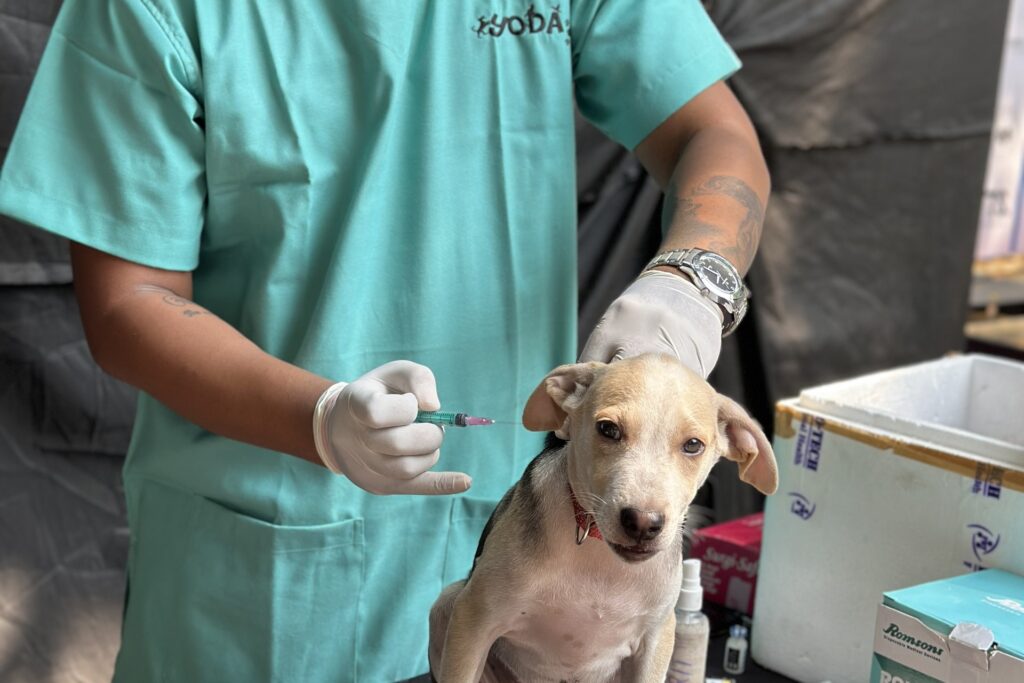
Keeping your dog safe from rabies isn’t complicated, but it does need consistency. A few simple habits go a long way in protecting your dog and your whole household.
Most pet owners assume one vaccine visit early in a dog’s life is enough, but staying protected really means treating it as an ongoing routine. Missing a single annual booster can leave a gap in immunity that lasts months. Setting a yearly reminder around your dog’s original vaccination date is one of the simplest habits that makes the biggest difference.
Vaccinate on schedule, every time
- First anti-rabies shot around 3 months of age
- Booster one year later
- Annual boosters after that, without exceptions
Never let one lapse just because your dog “seems fine“. The vaccine only works if it stays current.
Limit contact with unknown or stray dogs
Keep your dog on a leash in areas with street dogs, and avoid letting pets interact with animals whose vaccination status you don’t know. If you feed or care for street dogs, keep an eye out for the symptoms listed above and avoid direct contact with any dog acting unusually.
Support community rabies prevention drives
Protection works best at a community level, since a single unvaccinated stray can put an entire neighbourhood at risk. Backing local vaccination and sterilisation efforts, the kind Dog Welfare India runs, helps close that gap for everyone, not just pet owners.
Watch, don’t wait, with street dogs
If you regularly feed or interact with street dogs, treat any sudden change in a familiar dog’s behaviour as worth reporting, not ignoring. A dog that suddenly avoids water, hides in unusual spots, or turns aggressive without reason should be flagged to a local shelter or vaccination team right away. Early reporting doesn’t just protect people nearby. It gives the dog itself a chance at care before things progress.
What if your own dog bites someone?
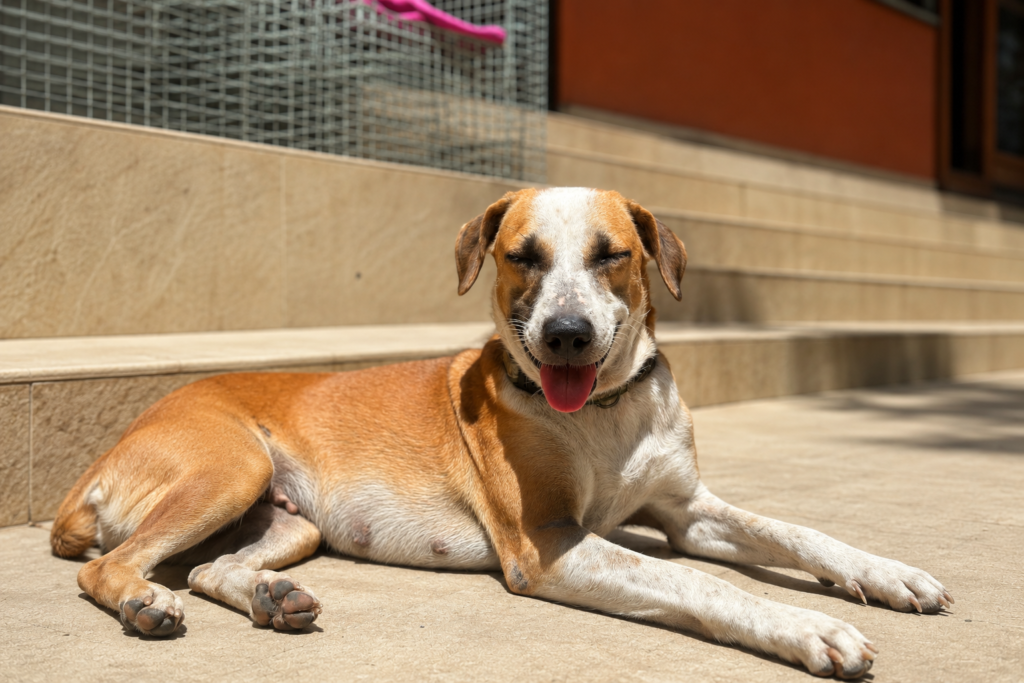
If your vaccinated dog bites someone, the standard advice is still to have the person seek medical attention while you keep your dog isolated and under observation for 10 days. Even a fully vaccinated dog should be watched closely during this period, just to rule out any risk. Keep your dog’s vaccination certificate handy, since doctors treating the bitten person will often ask for it.
What to do after a dog bite?
If a bite has already happened, this is the section that matters most right now. Knowing what to do after a dog bite in the first few minutes can make the difference between a scare and a serious health risk.
Dog bite first aid: the first 15 minutes
- Wash the wound under running water with soap for a full 15 minutes
- Don’t cover the wound tightly
- Skip any home remedies as they can trap the virus in
- Head to a doctor or hospital right after this first-aid step
Dog bite treatment and when to see a doctor
Dog bite treatment usually starts with proper wound cleaning at a clinic, followed by a doctor’s assessment of the bite’s severity. Even a minor scratch from an unknown dog should be checked, since the depth and location of a bite influence how urgent the treatment is. Don’t wait for symptoms in yourself before seeking care.Once symptoms appear, treatment becomes far less effective.
Anti rabies vaccine schedule
You’ll usually get the anti-rabies vaccine on the WHO-recommended schedule, followed across India. This is called the Essen regimen, the standard post-exposure protocol used at government and private clinics nationwide. Depending on the clinic and your immune status, you may be given either a 4-dose or a 5-dose intramuscular course. Doses go in your upper arm (deltoid), not the stomach, a common myth.
Skipping or delaying a dose can lower your protection, so it’s important to complete the full course on schedule, as per National Guidelines on Rabies Prophylaxis.
| Dose | 4-Dose Schedule (Essen, most common) | 5-Dose Schedule (used for immunocompromised patients) |
| Dose 1 | Day 0 (day of the bite) | Day 0 (day of the bite) |
| Dose 2 | Day 3 | Day 3 |
| Dose 3 | Day 7 | Day 7 |
| Dose 4 | Day 28 | Day 14 |
| Dose 5 | — | Day 28 |
Your doctor will tell you which schedule applies to you, so don’t self-decide based on this table alone.
Dog bite injection cost
A common worry after a bite is the dog bite injection cost. The reassuring part is that anti-rabies vaccines are available free at most government hospitals and primary health centres across India, so treatment is accessible regardless of budget. Private clinics may charge a few hundred rupees per dose if you’d prefer that route, but government facilities remain a reliable, no-cost option for the full vaccine course.
The 10-day observation rule after a dog bite
If the biting dog is a known pet, it can be observed for 10 days rather than assumed to have rabies outright. If the dog stays healthy through that window, the risk of rabies transmission from that bite is considered very low. If it’s a stray or the dog can’t be observed, doctors will usually recommend completing the full vaccine course regardless.
Common myths about rabies symptoms in dogs
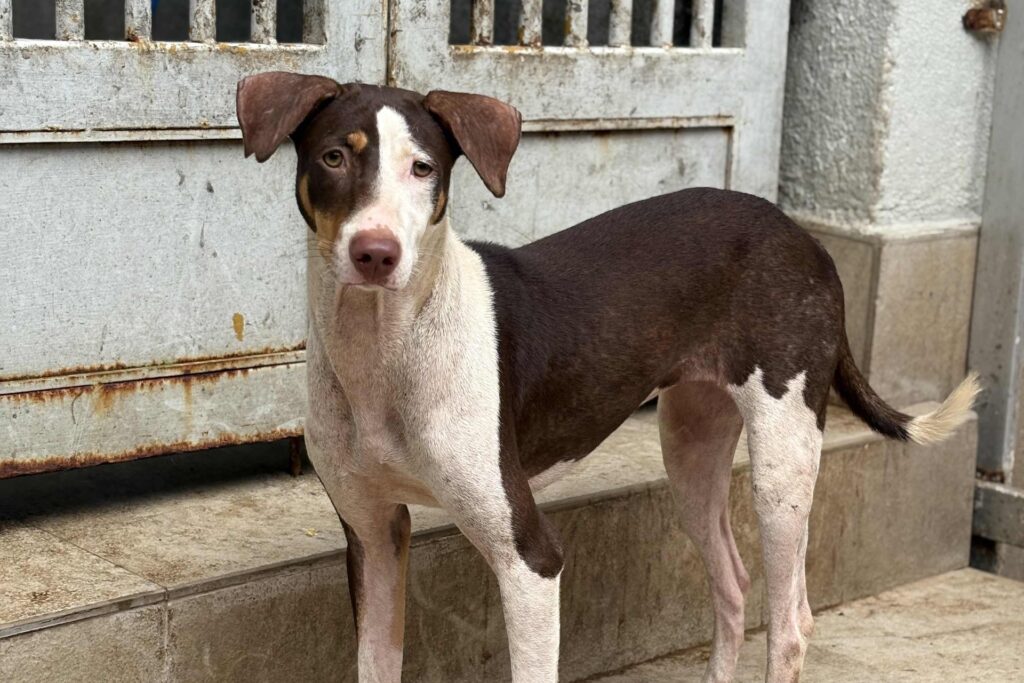
A few myths keep this disease more dangerous than it needs to be, so it’s worth clearing them up.
- Not every rabid dog foams at the mouth; some show almost no visible symptoms early on
- Rabies isn’t limited to strays; an unvaccinated pet dog carries the same risk
- A puppy isn’t “too young” to carry or transmit rabies
- One vaccine dose doesn’t mean lifetime protection; annual boosters are essential
World Rabies Day and why awareness matters
World Rabies Day falls on 28 September every year, marking the anniversary of scientist Louis Pasteur’s death. Pasteur developed the first rabies vaccine back in 1885, and this day honours that legacy. It’s a reminder that this disease, which still kills thousands in India annually, has had a cure for over a century. The gap is purely in access and awareness. Events around World Rabies Day are a good moment for communities to organise free vaccination camps and spread the word.
Dog Welfare India: Rabies prevention and dog bite care for community dogs
Real change does not happen through a single rescue. It happens when volunteers, donors, businesses, and local communities come together with a shared purpose. That is exactly what Dog Welfare India is building in Palghar.
Beyond responding to dog bite emergencies, the organization works to create a permanent, healthy support system for street dogs through medical care, sterilization, immunisation, and rescue operations. These efforts lower the risk of rabies in Palghar while making neighbourhoods safer for everyone.
Every bit of support creates a lasting impact. You can get involved in several ways.
- Donate or sponsor: Help fund anti-rabies vaccination drives, sterilization programs, or an animal ambulance.
- Volunteer: Give your time to support rescue operations or vaccination camps.
- CSR partnerships: Businesses can team up with the NGO to support long-term rabies prevention and animal welfare goals.
If you have come across a dog showing rabies symptoms, need guidance after a dog bite, or want to support rabies prevention through donations or CSR partnerships, contact us today. Together, we can create a safer, healthier future for community dogs across Palghar.
FAQs about rabies in dogs
What are the first rabies symptoms in dogs?
The earliest signs are usually behavioural rather than physical. A dog may become unusually anxious, withdrawn, or clingy, or start licking and chewing at the bite site excessively. These subtle changes often appear well before any visible symptoms, which is exactly why early observation matters so much.
Is rabies curable in dogs once it’s confirmed?
No cure exists once rabies symptoms appear. But the vaccine and wound care described above are given before symptoms start, and they’re highly effective at preventing rabies entirely. Prevention works; reversing the disease after symptoms begin does not.
How urgent is dog bite treatment really?
Acting as soon as possible is best, since treatment works most effectively when started early. But there is no strict deadline. Post-exposure treatment stays effective as long as it begins before symptoms appear, even if a day or two has already passed since the bite happened.
What is the anti rabies vaccine schedule?
You’ll usually get the anti-rabies vaccine on WHO’s recommended schedule, followed across India. Most clinics use 4 doses (days 0, 3, 7, 28); some use 5 doses (days 0, 3, 7, 14, 28) for weaker immunity. To be clear: this schedule is preventive, given before symptoms appear. That’s why completing every dose matters.
How much does the dog bite injection cost in India?
The dog bite injection cost is generally not a concern in India, since anti-rabies vaccines are available free at most government hospitals and primary health centres. Private clinics may charge a few hundred rupees per dose, but cost should never be a reason to delay life-saving treatment.
What’s the correct dog bite first aid at home?
The correct dog bite first aid is simple: wash the wound thoroughly under running water with soap for a full 15 minutes. Avoid covering it tightly, skip any home remedies and head to a doctor or hospital right after this first step.
Can rabies in India be fully prevented?
Yes, rabies in India can be almost entirely prevented. Consistent pet vaccination, avoiding contact with unknown or unvaccinated strays, and community rabies drives close the gaps that let the disease spread. To be clear: prevention works, it’s only once symptoms appear that no cure exists.
Can rabies spread from a scratch, not just a bite?
Yes, though it’s less common. If an infected animal’s saliva touches broken skin, an open wound, or a scratch, rabies can still transmit. This is why doctors recommend washing any scratch from an unfamiliar animal thoroughly, not just a full bite, and seeking medical advice if in doubt.
What should I do if a stray dog bites a child?
Follow the same first-aid steps immediately. Wash the wound for 15 minutes and get to a doctor without delay. Children are at higher risk since bites often land on the face or hands, closer to the nervous system, so treatment should never be postponed even for a minor-looking scratch.
Can a vaccinated dog still transmit rabies?
It’s extremely unlikely. A dog vaccinated on schedule with proof of an effective vaccine is very unlikely to carry or transmit rabies. Still, any bite should be washed and monitored, and you should ask the owner for vaccination proof rather than assuming safety based on appearance alone.
