


Ever wondered why the neighbourhood dog you feed suddenly eats less during the peak summer months?
With the increasing global warming, it is becoming extremely hard to survive the summer. Dogs are mammals with thicker fur coats. In India, where the summer is brutal, they are suffering heavily.
Imagine you rushing home from the scorching sun, and on your way back home, you can see the community dogs all panting while sitting in whatever cooler spot they can find. You offer them their favourite treat, but they refuse. Apparently, you may think it is just the heat getting to them, but it can be much more than that. It can be a symptom of health issues like heat exhaustion in dogs, or maybe even worse, the first sign of heatstroke.
Whether you have a pet dog in your home or you feed and care for the community dogs in your locality, it is really important to be aware of those signs. The dogs, not being able to tell you, may be suffering silently, and we, being their friend, find it really important for us to help them.
But the question automatically crosses our minds: “How will we know if they really need our help and are suffering?” It is exactly why, in this blog, I am going to explain how the extreme heat affects dogs, the warning signs to look for, and how you can do summer care for dogs.
Why extreme heat is dangerous for dogs
Unlike human beings, dogs do not have sufficient sweat glands. Sweat glands help us release sweat, keeping our body cool. Dogs have minor sweat glands in their paw pads, which is why extreme heat affects dogs.
Dogs primarily regulate their body temperature through panting. Other than the presence of minor sweat glands in their paw pads, choosing cooler spaces to rest or lying on cool surfaces helps them to stay cool.
In addition to the absence of enough sweat glands, dogs have a thick fur coat that traps heat close to their body, making it difficult for them to release heat from their body and cool down. Panting alone is not enough.
According to the University of Illinois Urbana-Champaign College of Veterinary Medicine, there are many more factors that increase a dog’s risk of overheating, like
- High humidity: A moist atmosphere makes it difficult to evaporate saliva during panting, making the panting process useless.
- Poor ventilation: Enclosed spaces trap heat fast.
- Hot surfaces: Hot surfaces increase dogs’ body temperature through direct heat transfer and also cause paws to burn.
- Overweight in dogs: Fat acts like another heat layer, trapping extra heat in overweight dogs’ bodies.
- Thick or dark fur coats: A thick fur coat traps more heat than normal ones. The dark coat absorbs more heat, making it difficult for the dogs to survive in the heat.
- Age of the dog: Many puppies and older dogs cannot control their body temperature properly and are more likely to suffer from heat exhaustion or even heat stroke.
How extreme heat affects dogs
Heat does not affect every dog uniformly. Unlike human beings, many of the dogs tend to be more sensitive than others. Additionally, many of them can suffer silently from dehydration. They can also suffer from heat exhaustion, or more dangerous heatstroke, while others can suffer from burning of paws and fur, and rashes.
Dehydration in dogs
Dehydration in extreme heat is one of the most common issues dogs face. It reduces the water content of the body, making it difficult to cool down. Due to the constant panting during excess heat, the saliva evaporates. Though it helps them to reduce their body temperature, it also makes them lose water from their body by evaporation. Panting combined with insufficient water intake, running, and heavy exercise makes dogs dehydrated in the extreme heat.
Some of the common symptoms of dehydration include sunken eyes, loss of the skin’s elasticity, reduced urination, lethargy, and many more. Dehydration accompanied by heat exhaustion or heatstroke in dogs increases the risk to the next level.
Heat exhaustion in dogs
Heat exhaustion is one of the initial signs that tell you that your dogs are struggling with extreme heat. Heat exhaustion in dogs is the milder and, many times, first stage of heat-related illness.
When a dog suffers from heat exhaustion, it pants heavily, drools, and becomes restless and weak. It is time we should be aware of their condition and take care of them, as it is generally not very serious and can be treated at home. However, if the condition worsens, it is better to consult a vet.
Heatstroke in dogs
Heatstroke is one of the serious illnesses dogs suffer from due to extreme heat. Heat exhaustion, if left untreated, can soon lead to heatstroke. It is a real emergency.
According to Cornell University’s College of Veterinary Medicine, the normal body temperature of a dog is between 100.5 degrees Fahrenheit and 102.5 degrees Fahrenheit, and heatstroke happens when the body temperature of a dog rises to 105 degrees Fahrenheit or higher. In this condition, the dog’s body organs can be affected, leading to kidney injury and shock. Summer care for dogs can save them from these sufferings.
Burns from hot pavement and surfaces
In the ruthless heat of India, when it is really hard for us to be outside our house during midday, imagine the dogs walking with bare paws and no shade overhead.
It is not only the internal body temperature we should be aware of, but also the road beneath. During summer days, the pavement and surfaces outside absorb the heat and remain scorching hot. This burns the dogs’ paw pads and even causes blisters, resulting in limping or difficulty in walking and standing.
We, as their friend, need to make sure that they are in a shady region and sprinkle some water on the pavements where they have taken shelter. Many animal welfare organisations, like Dog Welfare India, help street dogs stay safe and healthy during the hot summer months.
Signs your dog may be overheating
In the scorching summer of India, extreme heat affects dogs a lot. It is really important for you to look after your dog closely. If they show any signs of restlessness, lethargy, or anything else, it is important for you to act quickly. The only thing that makes the difference is for you to act quickly, or else the symptoms may worsen. Here is exactly what you need to watch for:
- Excessive or heavy panting: Panting excessively or heavily is an early sign that your dog is struggling in extreme heat and facing issues cooling down.
- Drooling: Heavy panting in excessive heat can often make the dog drool more.
- Weakness or unusual tiredness: These can be early signs of many underlying heat-related diseases in dogs.
- Vomiting or diarrhoea: These can be signs of extreme heat affecting their body temperature and dehydration.
- Confusion or difficulty walking: Limping, confusion, or difficulty walking may be due to external or internal issues faced by dogs due to intense heat. It may result from a swollen or blistered paw pad or heat, which has affected the nervous system of the dogs.
- Collapse or loss of consciousness: This is an emergency sign that points out that the dog has lost its ability to regulate its body temperature, resulting in dehydration or even sunstroke.
How to protect your dog from extreme heat
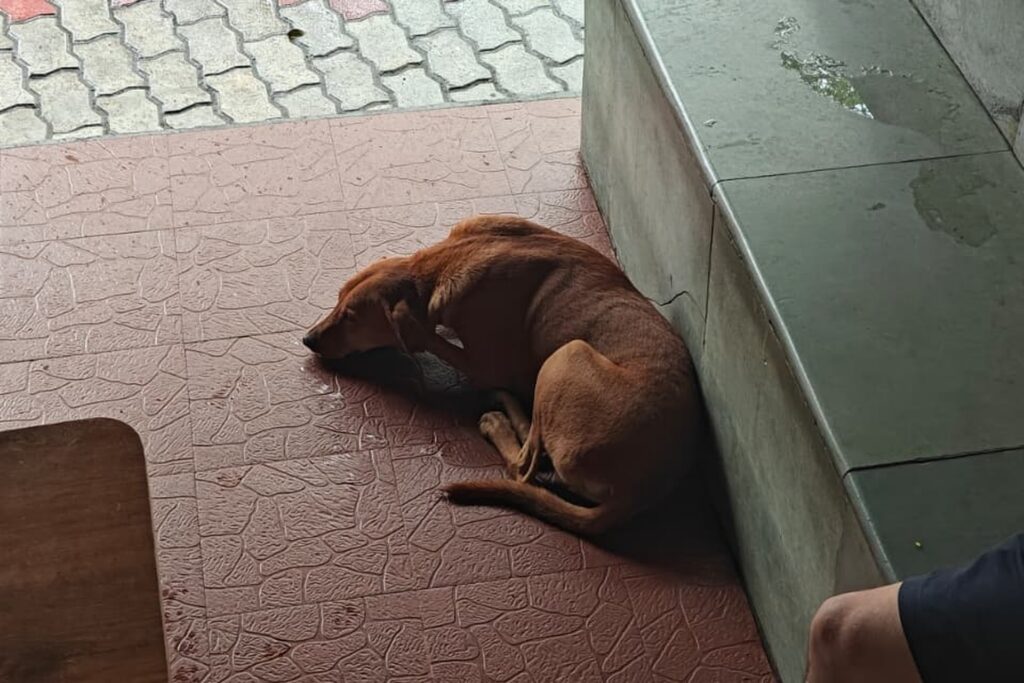
Here are some simple ways to protect dogs from extreme heat:
Move your dog to a cool, shaded area.
According to AAHA, if you notice any sign of heatstroke in a dog, move it to a shady, possibly air-conditioned space and contact the vet as soon as possible.
Help lower their body temperature gradually
Try to take them to some cool, shady area or air-conditioned space if possible. Avoid the use of ice or wet towels, as they can trap more heat instead. Use a cooling mat if present.
Keep fresh water available
Always make sure that you keep fresh water available to the dogs and refill it when finished. It will keep the dogs hydrated and cool.
Avoid walks during the hottest hours.
If your dog is a pet, then make sure to not go for a walk with it during the heat waves. Stick to early morning or evening walks. In this way, your dog will remain safe from the heat.
Check the pavement before walking
If your paw friends are strays, you should make sure to provide the proper summer care for dogs. You should give them some cool shelter rather than letting them run on the pavement. And if your dogs are pet ones, make sure not to let them out and play on the scorching pavement. It will make their paws burn, forming blisters and rashes. Check the pavement before letting them on there.
Never leave a dog in a parked car.
Never leave your dog in a parked car. Even with open windows, cars’ environments tend to heat up, which will directly affect your dog’s health.
Provide shade and good ventilation
If your dogs are strays, make sure to provide them with some areas with shade, possibly under trees, in a shaded region of your garden, or at the side of your staircase with a bowl of fresh water.
If it’s a pet, make sure to keep it in a well-ventilated room, keep the windows open, keep it in front of a cooler or a fan, or keep it in an air-conditioned room.
When to contact a veterinarian immediately
Always keep an attentive eye on your pet, even when they are resting. If the dog collapses, vomits, or experiences seizures, you need to contact the vet immediately.
Help dogs survive extreme heat with Dog Welfare India

Extreme summer heat is equally fatal for both the strays and the pet dogs. We, as their friend, need to make sure to make things less hard for them. But when it comes to strays, summer heat is way harsher. They suffer the most, not knowing whom to rely on.
Dog Welfare India believes that every dog deserves special care.
DOWI works with community dogs at Palghar, building a long-term system of rescue, shelter, and sterilisation to give the stray dogs safer and healthier lives. If you are someone who wants to do something for the stray dogs, you can help by sponsoring their treatment, sterilisation, or vaccination drives, or even help fund an ambulance.
If you want to volunteer directly and help us in feeding, rescuing, and creating community awareness, reach out to us through our contact us page. Every step of yours assures the stray dogs of a more promising future.
FAQs related to extreme heat effects on dogs
How to know if your dog is affected by heat?
Look for symptoms like heavy panting, excessive drooling, and lethargy, as they are some of the early symptoms in dogs affected by heat. If your dog suffers from seizures, collapses, or things like these, it means you need to visit your vet soon.
Can a dog be affected despite drinking enough water?
Yes, exhaustion, heat strokes, as well as most of the heat-related issues in dogs, are due to their bodies’ inability to cool down. A dog with enough hydration can still be affected by heat if it is exposed to heat without protection.
Can the pet dog also get overheated?
Yes, pet dogs as well as stray dogs can both be affected by heat if left exposed in the heat. In fact, pet dogs, due to their unfamiliarity with outside environments like strays, can be more affected by the sudden exposure.
What is the first thing to do if my dog shows signs of heatstroke?
First, move the dog to some cool, shaded, or, if possible, air-conditioned place and let it cool down. Give some water to drink and then contact a vet as early as possible. Waiting a little in this condition can cause some serious issues.
Which breed is most likely to be affected by heat?
Flat-faced dogs like pugs and bulldogs, or heavy and dark-coated dogs like Siberian huskies, Chow Chows, Golden Retrievers, German Shepherds, and Samoyeds; aged dogs; puppies; and overweight dogs are most likely to be affected by heat. It is better to keep them in a cool, shaded area.
How can I prevent my dog from getting heat exhaustion?
Make sure to keep the dog away in a cool, shaded, and well-ventilated region; avoid it walking or exercising in the peak heated hours; keep drinking water available; and occasionally check on it while it is resting.
What is the difference between heat exhaustion and heat stroke?
Heat exhaustion is a milder, early-stage issue where the dog can still regulate its body heat. It is reversible, but it may worsen if it remains untreated. Heatstroke is a more severe form of the issue where the dog loses its ability to regulate heat, and immediate veterinary consultation is required.
Should I give cold water to my overheated dogs?
No. Giving cold water to your overheated dogs may worsen the condition. It can lead to trapping more heat inside the body, resulting in harm to your dog rather than helping. It is better to give water at room temperature to your dog
