


What if the aggressive scratching your dog cannot stop doing is much more than ‘just an itch’?
According to Conbun, a dog parent named Rohit asked this question when his pet dog was aggressively scratching itself. Initially, he overlooked it, thinking it must be some minor monsoon effect. But within two days, the scratching reached the level where small bald patches started to appear near the ears and legs.
He rushed to book an online vet consultation and found out that his pet is suffering from early-stage sarcoptic mange. It would have been harder to treat his dog if he had waited some more weeks, thinking it to be ‘just an itch ‘.
Cases like this are very common in India. Skin problems in dogs are one of the common reasons for which dogs visit the vet. But many times it becomes much more than a ‘minor problem’. This blog will help you to figure out what’s normal, what’s not, and exactly when it’s time to stop thinking of it as a minor problem and start treating your dog.
Why are skin diseases in dogs so common in India?
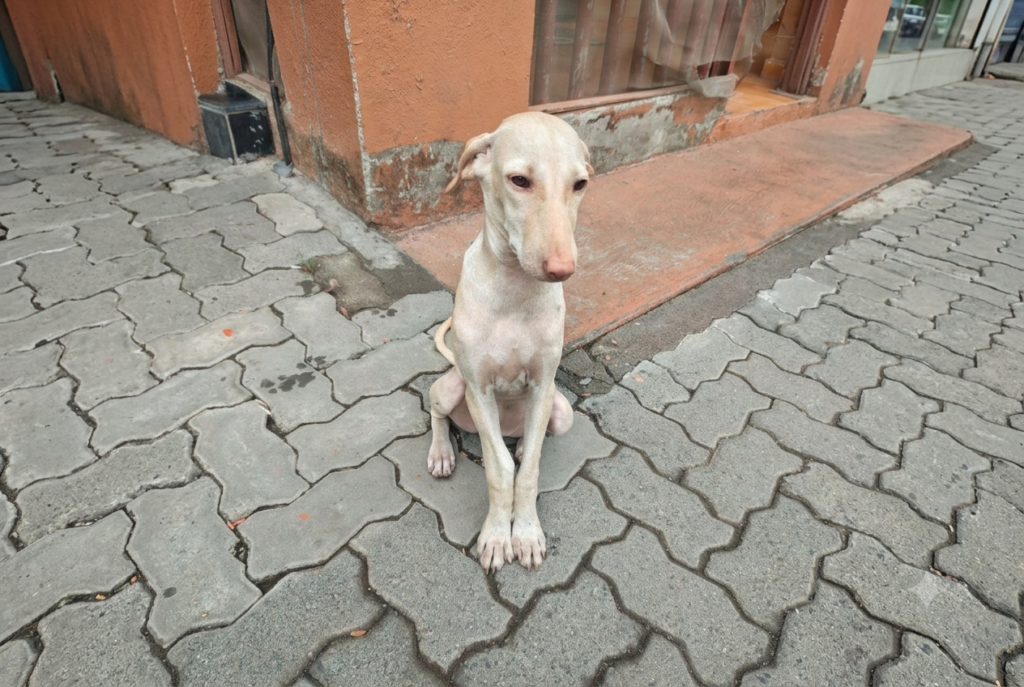
Dogs in India are more prone to being exposed to heat, humidity, dust, dampness, fleas, and ticks than dogs in any cooler and drier climate.
According to ScienceDirect, a field survey of stray dogs in Jodhpur found that skin conditions were present in roughly 69% of the dogs examined. This makes it one of the most common health issues among stray dogs, other than tick infestations.
We can find a similar story from the clinic-based data as well. According to the World’s Veterinary Journal, skin infection among Indian dogs ranges from 12% to 27.6% across separate studies.
A few reasons behind this are the following:
- Climate: Heat and humidity create a favourable breeding ground for bacteria, yeast, and fungal spores, especially in the folds around the neck, paws, and belly.
- Monsoon dampness: Wet fur that doesn’t dry properly invites fungal and bacterial infections.
- Parasite load: In India’s warm and humid climate, fleas, ticks, and mites stay active throughout the year, thus exposing dogs to the risk of being affected at any time
- Street dog exposure: Pet dogs that come in contact with community dogs are more likely to pick up mange mites or ringworm spores.
- Diet and hygiene gaps: Irregular grooming and poor nutrition weaken the dog’s natural skin barrier.
Common symptoms of skin problems in dogs
Most of the skin problems in dogs start small, maybe with redness or just itching, but if attention is not given, they may turn serious. Many skin issues have similar symptoms, and it is quite normal to confuse them with one another. So it is really important for you to have prior knowledge about them.
Itching and scratching
According to Sheehy Animal Hospital, itching, scratching, licking, and chewing are considered the first signs of skin problems in animals. A little of these things is quite normal, but when done aggressively, interrupting sleep or staying in a specific spot is a red flag. In that case, you need to be aware and contact the vet.
Hair loss in dogs
A minimal fur loss is normal until you find some bald patches, thinning of fur, or fur coming out in clumps. Closely look if the skin beneath it looks different from the normal skin. This is a stage where you must not ignore the symptoms and contact a vet fast.
Redness and rashes
A tint of pink in the skin, especially after a bath or exposure to the sun, is normal. But if you notice redness near the belly, groin, or paws that does not fade or is paired with constant licking, scratching, or any foul odour, it means an allergy, irritation, or an infection. You should not take it lightly. Contact a vet fast. Catching the skin problem early will help to treat it faster and easier.
Scabs and sores
A dog can scratch itself normally and can scratch once in a while. But a crusty scab or an open sore is not normal. It seems like the dog is continuously scratching or biting itself in the same spot. It can also mean that the dog has a skin infection. If you see any of these symptoms, do not ignore them and contact a vet as soon as possible.
Odour and discharge
A dog can smell a little muddy as it plays here and there. But a musty or yeasty smell is not normal. And when paired with a greasy coat or discharge from one area, it points toward a bacterial or yeast infection. In this case, you should contact a vet and register for a consultation before it is too late.
If you notice more than 2 of these symptoms, it is time for you to be serious and visit a vet quickly.
Common skin problems in dogs
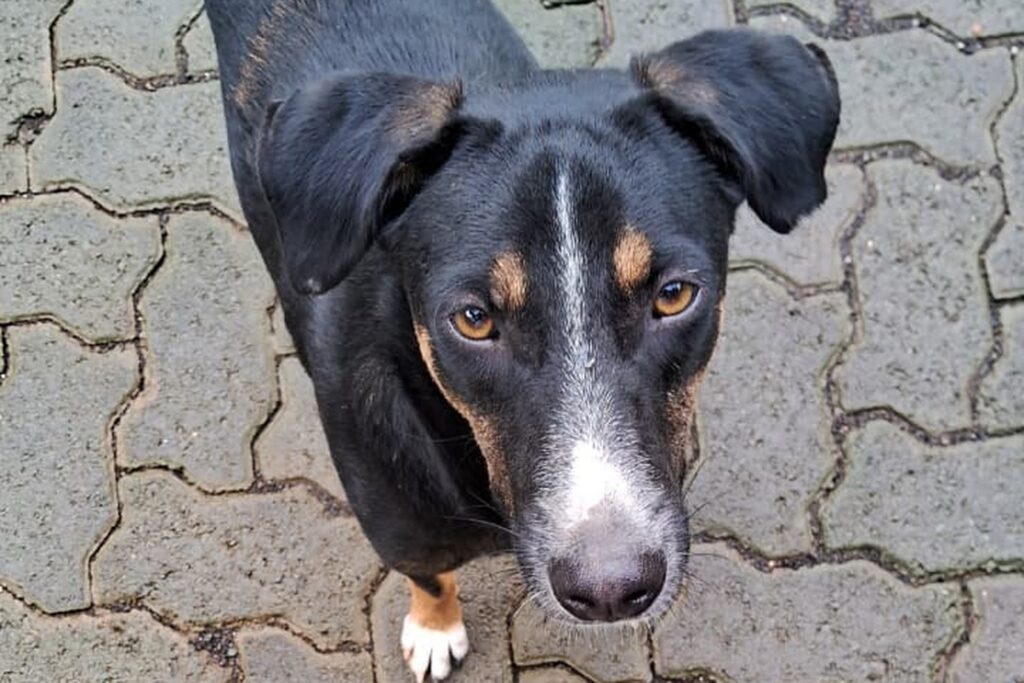
Quick overview of the common skin problems in dogs
| Skin condition | Most common sign | Does it need a vet to visit? |
| Flea allergy dermatitis | Intense itching near the tail base | Often |
| Mange | Hair loss with crusty skin | Always |
| Ringworm | Circular bald patches | Always |
| Bacterial skin infection | Pustules, odour | Always |
| Yeast infection | Musty smell, greasy skin | Usually |
| Allergic dermatitis | Recurring itching, red skin | Often |
| Hot spots | Sudden wet, oozing patch | Usually |
| Dry skin | Flaky, dull coat | Sometimes |
| Seborrhea | Oily or flaky skin, odour | Often |
| Tick-related skin problems | Visible ticks, localised swelling | Often |
Flea allergy dermatitis in dogs
According to MSD Vet Manual, flea allergy dermatitis is a hypersensitivity disorder in which the affected individual is sensitive to the saliva in the bites of fleas. Even one or two bites can trigger a sensitive dog.
Check if the dog aggressively licks or scratches the tail base and lower back, and if there are any small red bumps or an area that feels warm or looks inflamed. It may also cause hair loss due to the repetitive licking and scratching of the same spot. Some dogs’ skin can react more strongly than others’ to the same flea exposure.
If you catch the flea exposure early, bathe the dog with vet-recommended flea shampoo and comb their fur with a fine-toothed flea comb. While treating, treat all the dogs that are in contact with one another, as fleas jump to other dogs fast. Wash their bedding on that exact same day of bathing and combing, as it may also contain the fleas. If flea allergy is coming back often, then clean the carpet and soft furniture every week so that there are no flea eggs present in the place.
Contact the vet quickly if the scratching continues, the dog is losing hair or has a bald patch, or the skin breaks or bleeds.
Mange in dogs
According to Purina, Mange is a skin disease caused by tiny mites that live on or under the skin of dogs. It is closely related to ticks. Some mites can always be present on the skin, but multiply uncontrollably when something goes wrong.
There are mainly two common types of mange. One is sarcoptic mange, which is highly contagious and spreads fast among dogs, and then there’s demodectic mange, which causes a dog with weak immunity. So demodectic mange is common among puppies and older dogs. Sarcoptic mange usually causes aggressive itching, while demodectic causes little to no itching at all.
If you can see patchy hair loss, especially around the dog’s ears, elbows, or face; thickened or crusty skin; or any unpleasant odour, isolate the affected dog from others, as it is contagious. It is advisable to visit a vet before the condition worsens.
Ringworm in dogs
Ringworm is an infection of the skin, hair, or claws caused by a type of fungus.
According to MSD Vet Manual, about 70% of ringworm cases in dogs are caused by the fungus Microsporum canis, 20% by Microsporum gypseum, and 10% by Trichophyton mentagrophytes. It can also spread to human beings, so it needs quick attention.
Check if your dog has any circular, ring-shaped bald patches on the skin, especially near the face, ears, paws, or tail. The sides of those circular patches are generally red, scaly, or crusty. Some dogs have little itching and thus are neglected in the early stages. If the ringworm affects the nails of the dog, they may look brittle or in odd shapes.
Contact a vet if you see the circular, ring-shaped patches on the dog’s body that are spreading day by day. As ringworm can spread to people, it is better to isolate the dog before the vet checkup. A quick start of medication makes it easier to control.
Bacterial skin infection in dogs
A bacterial skin infection in dogs is not usually the main problem. It is generally accompanied by some other diseases. It happens when normal bacteria on the skin start to grow uncontrollably due to a weak immune system. This is the reason for the bacterial skin infection in dogs to show up alongside flea allergy, mange, etc.
Examine if the dog has any red, inflamed patches with small pus-filled bumps. In bacterial skin infection, the skin of the affected dog may look greasy, have a foul smell, and have thin to no fur in the affected areas. Crusty patches can also be in the body when the dog is scratching or licking certain spots repeatedly.
If the redness spreads, the pus-filled bumps continue to be on the skin, crusty patches do not go away, or the smell gets stronger even after cleaning, it is very important to contact a vet. Bacterial infections are very unlikely to go away, as there is some underlying reason why the affected dog’s immune system is hampered, resulting in a bacterial skin infection.
Yeast infection in dogs
According to Vetster, a yeast infection in dogs is a common fungal condition that happens when a naturally occurring fungus called Malassezia in a dog’s skin grows out of control. It usually happens in the warm, moist areas of the dog’s body or when some other factors, like allergies or excess moisture, wear off the skin. Yeast infection is common in dogs’ skin folds, ears, belly region, or paws. The dogs exposed to moisture are more likely to develop a yeast infection.
Examine if the affected dog’s skin looks greasy, red, or thick, specifically near the ears, paws, armpits, or skin folds. You can also get a strong, musky, or “corn chip” smell from the affected dog’s body. The dog may also constantly lick, scratch, or rub the affected area, which leads to darker, flakier, or crustier-appearing fur.
Contact a vet if the symptoms persist or worsen. Yeast infection comes back if the underlying cause of the disease is not identified and treated accordingly.
Allergic dermatitis in dogs
Allergic dermatitis in dogs is a chronic skin condition in dogs. It is triggered when their immune system overreacts to their surrounding environment, foods, pollens, dust, mould, etc. It is different from flea allergy dermatitis. It is not caused by a bite but by a reaction to things that the dog eats, breathes, or touches. Some of the dogs may be sensitive to a specific thing, whereas some are allergic to many.
Look if the dog continuously licks or chews its paws, face, ear, or belly, and if those areas are red or inflamed. There may also be hair loss due to the repetitive licking. The affected dog may also have watery eyes, sneezing, or ear infections paired with the skin issues, as allergies often affect places other than the skin.
Contact the vet if the symptoms persist or worsen. Look for the pattern if the dog is showing those symptoms after eating, sniffing, or touching a particular thing. It may also appear in some specific season as well. Since the allergic dermatitis in dogs is caused by certain triggers, it is recommended to visit a veterinarian, as they can figure out the allergen fast and prescribe accordingly.
Hot spots in dogs
According to PetMD, Hot spots, also known as acute moist dermatitis, are painful red areas of skin that appear to be irritated and are sometimes raised. It often happens when a dog licks, scratches, or chews a certain spot repetitively due to some conditions like fleas, allergies, etc
Look if a specific area on the dog’s body is red, wet, or inflamed and thus looks different from the other areas of the body. The spots may feel warmer, pus may ooze out, or a foul smell may be there. Hair in that area may be thinner, and the affected dog will continue to lick, chew, or scratch even after it is visibly painful.
Visit a vet soon if the spots continue to spread, ooze out, or not improve even after two to three days. Hotspots may worsen fast and often are a sign of some underlying problem that needs to be detected soon before deteriorating.
Dry skin in dogs
Dry skin is a skin problem in dogs when the dog’s skin loses too much moisture and appears flaky with a dull coat. It may be caused by the weather change, low humidity, frequent bathing, allergies or poor nutrition. This is quite common in dogs and generally not that serious, but it can make your dog feel uncomfortable if left untreated.
Examine if your dog’s skin looks flaky, dull, or rough when touched, much like dandruff in the fur. Their fur may appear dry, and the dog may scratch itself more, especially during winter. In many cases, the skin can feel tight or even crack slightly and bleed.
Contact the vet if the dryness and flakiness do not go away even after basic care and the dog continues to scratch and eventually bleeds. Since dryness also points to some other underlying problems like thyroid, it is recommended to visit a vet if the dryness continues to stay.
Seborrhea in dogs
According to VCA Animal Hospitals, Seborrhea, also known as seborrhoeic dermatitis, is a skin disorder in which the skin’s sebaceous glands produce an excessive amount of sebum or oil or too little, disturbing the natural balance of the skin. It can occur on its own or due to allergies, hormonal problems, or poor nutrition. Seborrhea in dogs is generally of two types: seborrhoea sicca, which makes the skin dry, and seborrhoea oleosa, which secretes excessive oil or sebum. Most of the dogs suffer from a combination of both types.
Look if your dog’s skin is too oily or too dry. Often, a noticeable odour is present. Check the dog’s skin folds, ears, armpits, or back to see if there is any buildup. Many times, certain areas of the affected dog’s skin become red or irritated from continuous scratching.
Visit the vet if the greasiness or the flakiness doesn’t improve even after grooming the affected dog regularly, the smell increases, or the skin looks red and inflamed. Seborrhea is often caused by some other underlying condition, so it is important to visit a vet fast.
Tick-related skin problems in dogs
Ticks are one of the most common skin issues. Indian dogs face this especially during the monsoon and post-monsoon months. Ticks cling to dogs’ bodies and feed on their blood. Other than the irritation, ticks also carry diseases to the affected dogs. Vets have cases where the affected dogs develop high fever, pale gums, and tick-borne illness within days
Check your dog’s skin for any hard bumps. It can be ticks. Especially check around the ears, armpits, or skin between the toes. The skin where a tick bites can look red, swollen, or irritated, and the affected dog may scratch, lick, or chew the place continuously. Many times, after the tick is removed, the skin of that area may develop a sore.
Try to remove the ticks completely from your dog’s body. If you can’t, or the bite area looks infected, or the dog has symptoms like fever, lethargy, or loss of appetite, contact a vet immediately. Tick can affect a dog beyond its skin, so it is better to not assume it as a minor bite.
What causes skin problems in dogs?

Understanding the skin problem in your dog makes prevention much easier.
Parasites
Fleas, ticks, and mites are some of the major causes of parasitic skin diseases in dogs in India. They irritate the skin of the dogs, and some dogs may react more severely to the exposure than others. Flea saliva can trigger a severe allergic reaction in sensitive dogs, and mites often remain unnoticed until hair loss in the affected dogs becomes visible.
Allergies
A dog can be allergic to several things. They can be triggered by fleas, foods, fabrics, or things in the environment like pollen, dust, etc. When the dogs are exposed to any of these allergens, their bodies release histamine, which causes itching and skin irritation. This is one of the major skin issues faced by dogs in India.
Bacterial and fungal infections
Bacterial and fungal infections are often caused by other underlying causes. When a dog’s skin barrier is broken from continuous scratching, chewing, licking, or allergies, bacteria and fungus grow and cause infections.
Excessive heat, humidity, and dampness
Warm and humid weather is favourable for the yeast and bacteria to grow in the skin of dogs. Dogs, specifically those with floppy ears, excessive skin folds, or thick fur coats, are prone to trapping moisture, resulting in infection.
Poor hygiene
Rare bathing, matted fur, dirty bedding, and not drying a dog properly after a bath can result in bacteria, yeast, and other parasites growing in the skin of the dog. If the condition is overlooked, it may turn into a serious issue.
Genetic or breed-related issues
Some breeds of dog are naturally more prone to skin issues than others due to their coat types, skin folds, and genetics. Breeds with double coats or wrinkles need some extra care and should be groomed consistently to avoid skin problems.
How can you prevent skin problems in dogs?
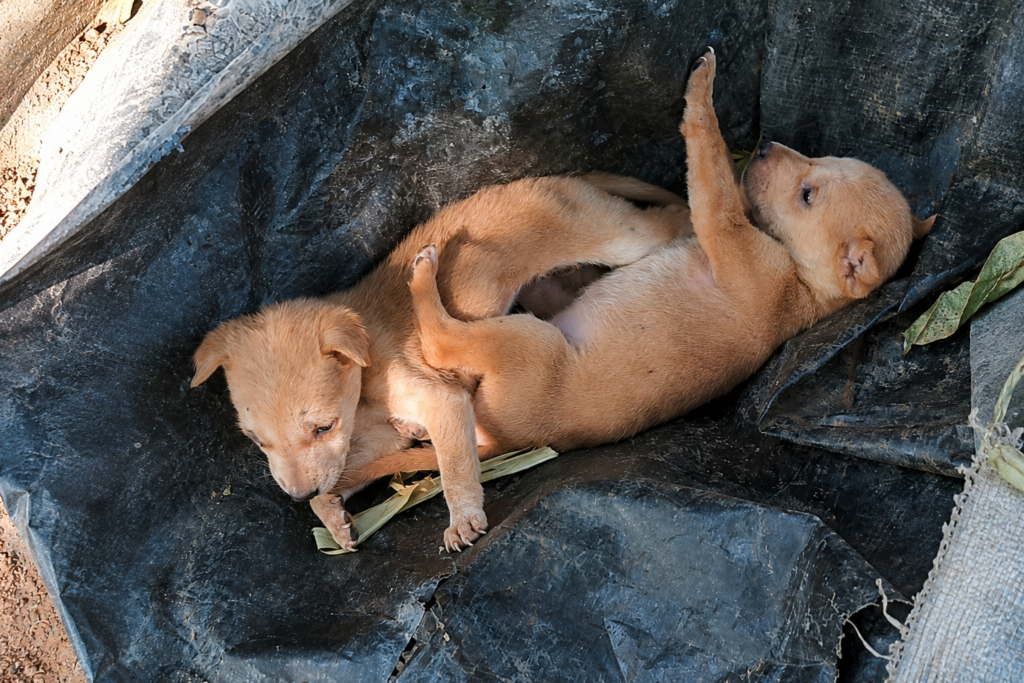
Most of the skin problems in dogs can be controlled by following some of the simple habits. Here are some habits you can follow to prevent your dog from facing skin issues.
Keeping the dog’s surroundings clean
It is really important and one of the basics to keep your dog’s surroundings clean to avoid skin diseases. Make sure to clean its bedding, resting spots, and living area regularly. Dirt, fleas, and bacteria can easily occur if the cleaning is inconsistent.
Routine bathing and grooming
Bathing your dog consistently and with vet-suggested shampoo helps to remove dirt, excess oil, and allergens from its skin. Regular brushing also helps to keep the fur coat untangled and healthy, making it easy to spot if there is any sign of skin disease. Especially dogs with dense fur are more prone to skin problems, and regular grooming and bathing prevent that.
Routine vet checkups
Regular vet checkups help in maintaining not only the skin health but also the physical and mental health of a dog. The vet can easily detect any early sign of a skin disease, and thus it can be treated before the condition deteriorates.
Maintaining a balanced diet
Maintaining a balanced diet directly influences a dog’s skin health. Proper meals with the right nutrition make your dog’s coat and skin barrier healthy, which in turn makes the dog more resistant to irritation and infection.
Keeping an eye on what is triggering your dog’s allergy
If your dog has previously reacted to certain food, fabric, pollen, a certain season, or any other thing, follow the pattern. Identifying and avoiding those can prevent repeated allergic reactions. It is also recommended to do a test for allergies your dog probably has, by the vet’s recommendation.
Flea, tick, and mite protection
Try to use the vet-recommended preventive treatment to keep fleas, ticks, and mites from causing any skin problems in your dog. Especially as they cause several skin issues if left untreated initially.
Avoiding going out in extreme heat
Exposing your dog to extreme heat can cause skin irritation, rashes, and many other skin-related issues. Breeds with heavy fur and skin folds tend to be affected more. Try to avoid the peak heat hours to cause any skin problems in your dog.
Avoiding using harsh chemical products on your dog’s skin
Only use the vet-recommended products specifically prescribed for your dog. There are certain skin products to which your dog may be prone to have allergies, and that can strip the natural skin barrier, exposing it to microbes. So it is better to not use any random product without the vet’s suggestion.
How to treat a dog with a minor skin problem at home?
- Give an oatmeal bath to soothe the itching and calm the irritation on your dog’s skin
- Use a vet-recommended mild shampoo instead of using some random soap.
- Wipe the skin of your dog properly, as if any moisture remains, it may cause a skin infection.
- Add fish oil or omega-3 supplements to your dog’s diet to help heal its skin.
- Avoid overbathing, as washing your dog too often can dry out its skin further or may even hamper the skin barrier.
- Prevent your dog from licking or scratching the spot; use an Elizabethan collar if required.
When should a dog with a skin problem see a vet?
Symptoms in the dog are worsening
If a skin issue in your dog is worsening and spreading even after taking special care at home, it is a sign that something is serious with the skin of your dog. Do not try to treat it on your own, thinking it will recover on its own; contact your vet immediately before it gets out of your hands.
The dog is visibly in pain and cannot stop scratching
If the dog is constantly scratching or licking aggressively without controlling itself, then it is a red flag. Even after an oatmeal bath, regular grooming, bathing, and washing its surroundings, the symptoms continue to worsen; it is high time to visit a vet urgently.
Swollen area or bald patch on its body
If your dog has a swollen area or any visible bald patch on its body, contact a vet immediately rather than guessing and treating on the basis of that guess. The symptoms point to some serious infection or skin condition.
Signs of infection (pus, odour, fever)
Pus-filled blisters, foul odour, and fever are some common signs that your dog’s body is not okay and possibly suffering from an infection. In this condition, home remedy is not enough, and it needs a proper vet checkup and medication.
Broken skin barrier
If your dog’s skin is feeling tight, cracked, bleeding, or has a wound, it is exposed to further infection. It is suggested not to treat it yourself at home. This needs a proper vet checkup and medication accordingly.
Loss of appetite accompanied by lethargy
When your dog suddenly stops eating like it used to or shows signs of lethargy due to some skin problems, it is way more serious than you think. These symptoms scream that your dog is unwell and suffering heavily and needs an urgent vet visit.
Aftercare and recovery of a dog with skin problems

- Finish the full course of medicine and maintain the vet-recommended diet change even if your dog’s skin looks fine in the middle of the medication period.
- Positively wash all the bedding, toys, grooming tools, and other things that your dog uses.
- Positively attend every follow-up appointment with the vet so that you can be sure that your dog is fully recovered, not just improved.
- Make sure that your affected dog’s resting area is dry, especially during the monsoon.
- Clean food and water bowls regularly to avoid symptoms from returning.
- Clean carpets and furniture if fleas or mites were part of the problem.
- Keep a close watch on the symptoms, as in many skin problems, the symptoms can return if not fully treated.
- Maintain regular grooming and coat checks even after the skin looks normal.
- Resist your dog from further licking, scratching, or chewing the affected area by making it wear a collar or whatever the vet recommends.
Prevent skin problems in dogs with Dog Welfare India

Street dogs don’t get regular baths, good food, or flea treatment like pet dogs do. That’s a big reason why mange, infections, and open wounds are so common among them. These problems don’t just heal by themselves. If these are left alone, they only get worse.
This is where Dog Welfare India comes in. We run rescue work, medical support, sterilisation, rehabilitation and community participation across Palghar to give the community dogs a safer and healthier life.
You can also be part of our team. Sponsor a dog’s medical treatment, support our sterilisation and vaccination drives, or help us fund an ambulance for emergencies for a faster rescue drive. Prefer hands-on work? We welcome volunteers for feeding, rescue support, and spreading awareness in the community.
Reach out through our contact us page. Every bit of help brings a street dog closer to a safer, healthier life.
FAQs related to common skin problems in dogs
What is the most common skin problem in dogs?
Flea allergy and allergic dermatitis are the top two common skin problems in dogs. Mange and bacterial infections also happen a lot, mostly due to India’s heat and humidity. Small issues can soon turn serious, so it is important to not ignore the early scratching.
Can dog skin problems spread to humans?
Yes, a few of them can. Ringworm and sarcoptic mange are the two skin diseases in dogs that can spread to people. Wash your hands after touching an affected dog to remain safe. If a rash shows up on you after touching an affected dog, get it checked.
Is hair loss in dogs always something to worry about?
Not always. Sometimes it’s just shedding, stress, or a hormone shift. But if there are some bald patches or hair thinning paired with aggressive licking, scratching, or chewing, then it is important to visit the vet as soon as possible.
How long does a dog’s skin infection take to recover?
Once treatment starts, mild issues usually clear in one to two weeks. Serious fungal or bacterial infections can take four to six weeks. Don’t stop the medicine abruptly, as it may appear to have recovered, whereas it can still be present underneath the skin.
Is it okay to use my own shampoo on my dog?
No, it is better not to do so. Dog skin and human skin work differently, and your shampoo can be harsher on their skin, hampering their skin barrier and thus worsening the skin condition instead of helping. Use only what the vet recommended for your dog.
How often should dogs be bathed to avoid skin issues?
You should bathe your dog every two to four weeks. Bathing too much strips the skin’s natural oils and causes more harm than good. If your dog is suffering from a skin condition, ask your vet for a schedule that actually works for it.
What usually triggers a dog’s skin allergy?
Different dogs get triggered by different allergens. A dog may have an allergy to only one thing, whereas others may have allergies to many. Generally, some of the allergens dogs can be triggered to are foods, dust, pollen, certain fabrics, and even the wrong chemical product.
Do skin problems in dogs get worse during the monsoon?
Yes, the problem tends to worsen in the monsoon. Wet fur and constant humidity give bacteria and fungi favourable conditions to grow. Drying your dog properly after a bath or any exposure to water reduces the risk more than you can even realise.
Do street dogs get skin diseases as often as pet dogs?
Honestly, the street dogs suffer more than the pet ones. Without regular baths, balanced food, flea control, or proper care, skin diseases in stray dogs are far more common. Groups like Dog Welfare India step in to treat mange, wounds, and infections in dogs living on Palghar’s streets.
At what point should we consider a vet visit instead of treatment in the home?
Even after treating the skin disease of your dog at home for over a week, if it is spreading or smells unpleasant, visit a vet immediately. Many skin diseases in dogs cannot be treated at home. It may apparently look to have improved, but the symptoms will retreat again.
