


Have you ever thought of any situation like this?
Let’s imagine a rainy evening in a street, where a small puppy huddles under a local fast food stall.
It shivers from the cold, and as a resident, you feel a deep sense of helplessness.
You want to assist, but you simply do not know who to call.
This scene plays out every single day.
Individual acts of kindness are wonderful, but they are not enough.
Understanding how a dedicated dog welfare organization in Palghar works to rescue, treat, sterilize, and rehabilitate community dogs also shows why coordinated efforts create a much greater impact than isolated acts of kindness.
We need structured, lasting solutions for the street dogs in Palghar.
And here our role, as a citizen of Palghar or a dog lover, comes into play to protect helpless animals.
Why street dogs in Palghar need attention

Palghar is developing rapidly.
Both urban and rural areas are expanding at a fast pace. But as the district grows, the animal population grows right alongside it.
The number of stray dogs in Palghar is rising. Without proper management, these animals suffer on the streets every day.
The rapid population growth in rural and urban putting more dogs at risk
More dogs mean fewer resources.
They are forced to fight for small amounts of food and safe territory.
As Palghar transforms with new building construction and expanding neighborhoods, open garbage dumps also increase.
These dumps become easy feeding grounds, which naturally encourages street dogs to gather and breed rapidly.
Sadly, a large number of these puppies do not survive their first few months due to harsh weather, highway accidents, or starvation.
This unchecked breeding cycle creates endless suffering for the animals and causes constant noise or tension for the residents living nearby.
Limited healthcare increases the risk for both animals and people
Unvaccinated dogs catch and spread diseases easily.
Parvovirus and rabies are very common threats in this region.
When sick animals fight over limited territory, a single bite or scratch spreads these fatal viruses through the local packs.
This does not just harm the dogs; it creates a direct public health hazard for local residents, especially young children playing outside.
A lack of local rescue infrastructure delays lifesaving care
Finding an animal clinic nearby is very tough.
An injured dog rescue team in Palghar often has to travel long distances on rough roads just to find basic medical help.
During emergencies like hit-and-run highway accidents, the first few hours of treatment are critical for survival.
Unfortunately, many rural areas completely lack basic tools like X-ray machines, blood testing labs, or clean operating theaters for animals.
The everyday challenges street dogs in Palghar face
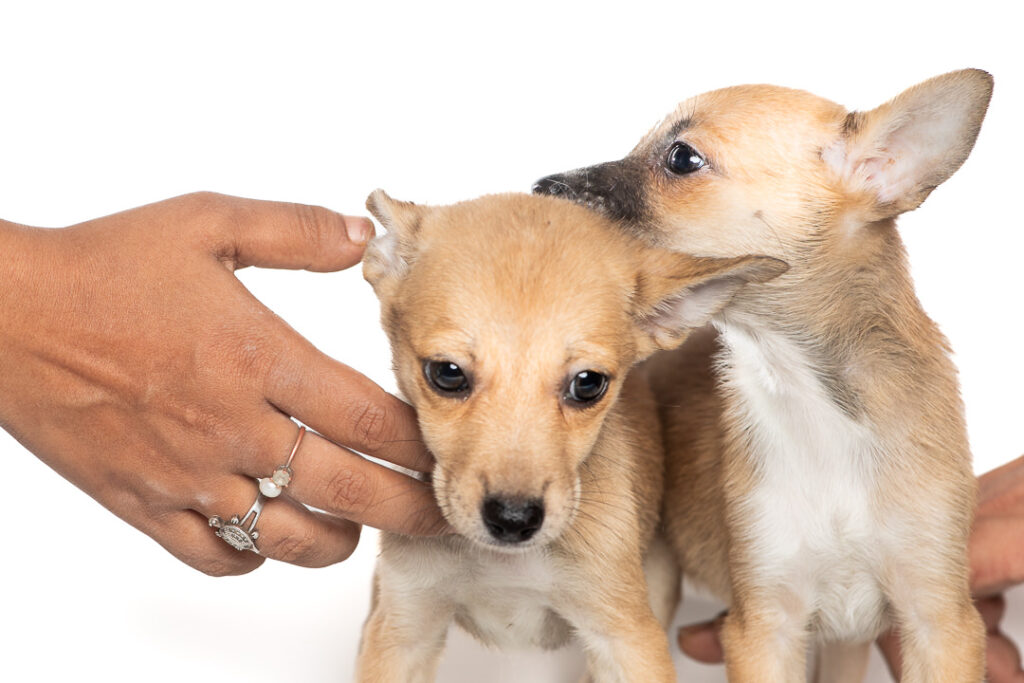
Every time you see a street dog sleeping near a roadside shop or wandering through traffic, you’re only seeing a small part of its daily struggle. Behind that moment are challenges most people never notice.
From finding the next meal to avoiding speeding vehicles, surviving on the streets is a constant battle. Without proper rescue, medical care, and population management, even a small injury or illness can quickly become life-threatening.
Here are some of the biggest challenges street dogs in Palghar face every day.
Uncontrolled population growth
One of the biggest challenges is the growing number of street dogs. Without sterilization, the population increases rapidly, putting even more pressure on already limited food, shelter, and medical resources.
A single female dog can have multiple litters each year, and many puppies never survive their first few months. They face starvation, harsh weather, road accidents, and disease before they ever reach adulthood.
According to World Animal Protection, uncontrolled dog populations contribute to higher rates of disease, malnutrition, and road accidents, affecting both animals and local communities.
Limited access to veterinary care
Getting medical help isn’t easy for street dogs in Palghar.
Many areas have limited veterinary facilities, and emergency animal care is often difficult to access, especially at night or in rural locations. When a dog is seriously injured, every minute matters. Unfortunately, delays in treatment often reduce the chances of survival.
Even basic medical facilities may not always have advanced diagnostic equipment or surgical support, making recovery even more difficult for injured animals.
Rabies and other preventable diseases
Street dogs are also vulnerable to diseases such as rabies and parvovirus.
Without regular vaccination, infections spread quickly, especially among dogs living in close groups or competing for food. Young puppies are particularly vulnerable because they have weaker immune systems.
The World Health Organization recommends mass dog vaccination as the most effective way to stop dog-mediated rabies and protect both animals and people. Regular vaccination not only saves dogs but also makes communities safer.
Hunger and malnutrition
For most street dogs, finding food is an everyday struggle.
Many survive by searching through garbage dumps, where they often eat spoiled food, plastic, or other harmful waste simply because they have no other option. Over time, poor nutrition weakens their immune system, making them more vulnerable to infections and injuries.
A hungry dog is also more likely to roam long distances in search of food, increasing the risk of road accidents and conflicts with people.
Human-animal conflict
Most conflicts between people and street dogs begin with fear rather than aggression.
A mother protecting her puppies or a frightened dog guarding food may bark or chase someone to defend itself. These behaviours are often misunderstood, leading people to respond with stones or sticks, which only makes the animals more fearful.
Creating awareness about dog behaviour and responsible community care helps reduce these conflicts and allows people and street dogs to coexist more peacefully.
How we can improve street dog welfare in Palghar
Helping street dogs is about more than rescuing them when they’re injured.
It means addressing the root causes of the problem so both animals and people can live safely together.
Temporary solutions rarely work.
For example, relocating street dogs is not only illegal in India but also ineffective. Once dogs are removed from an area, other unvaccinated and unsterilized dogs eventually move in, and the same problems begin all over again.
Creating lasting change requires a combination of responsible population management, accessible medical care, disease prevention, and active community participation.
Here’s how that can be achieved.
Animal Birth Control (ABC) programs
One of the most effective ways to manage the street dog population is through sterilization.
Under the Animal Birth Control (ABC) program, dogs are safely captured, sterilized, vaccinated, and released back into the same area where they were found.
Over time, sterilization also reduces unwanted litters, territorial fights, and mating-related aggression, making neighbourhoods safer and quieter for both residents and animals.
Better rescue, treatment, and recovery facilities
When a street dog is injured, quick medical attention can make all the difference.
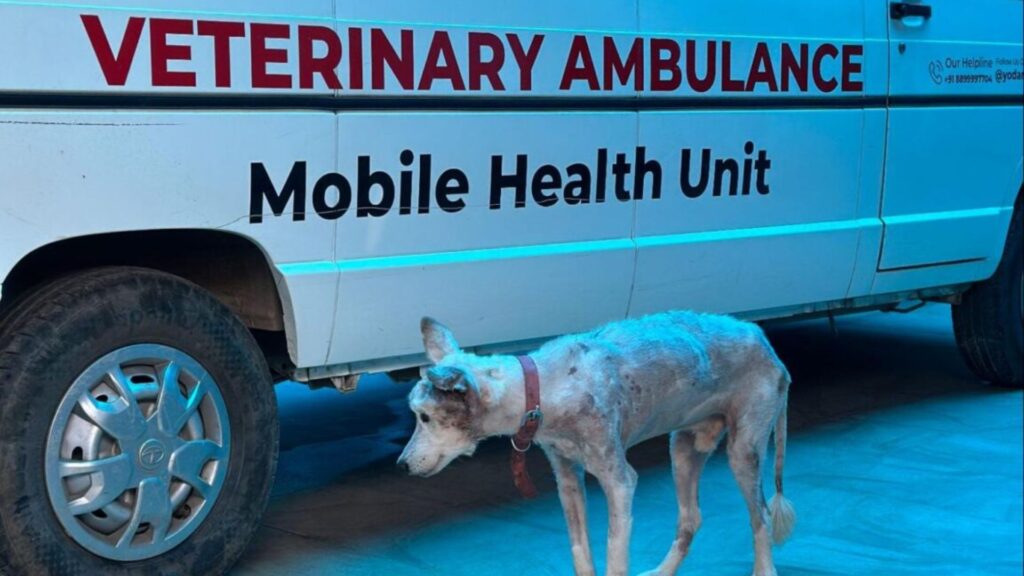
Rescue teams need dedicated ambulances, trained responders, and well-equipped treatment centres to provide timely care. Just as important are recovery shelters where dogs can heal safely after surgery or serious injuries before returning to their territory.
Without proper transport and post-operative care, even treatable injuries can become life-threatening.
Mass vaccination and area-wise monitoring
Preventing disease is just as important as treating it.
Vaccinating dogs one by one isn’t enough. Effective disease control requires systematic, area-wise vaccination drives along with proper records of treated animals. This helps ensure that every community dog is protected and reduces the risk of diseases such as rabies spreading through local populations.
A well-planned vaccination program protects not only street dogs but also the families who share the same neighbourhood.
Community feeding and early monitoring
Local residents can play a vital role in improving street dog welfare.
People who regularly feed community dogs are often the first to notice when an animal is injured, sick, or behaving unusually. Reporting these cases early allows rescue teams to provide treatment before a minor health issue becomes a serious emergency.
Regular feeding also helps dogs feel more secure, reducing stress and making them calmer around people.
Creating awareness for peaceful coexistence
Many conflicts between people and street dogs happen because of misunderstanding rather than aggression.
A frightened dog may bark to protect itself, while a mother dog may become defensive around her puppies. Understanding these behaviours helps people respond calmly instead of reacting with fear.
Awareness programs in schools, housing societies, and local communities can teach simple ways to interact safely with street dogs, avoid unnecessary conflicts, and support animal welfare.
When communities understand street dogs better, they become partners in creating a safer and more compassionate environment for everyone.
Through rescue, sterilization, vaccination, treatment, and community outreach, Dog Welfare India works alongside residents to build safer neighbourhoods for animals and people.
What to keep in mind when you are helping stray animals
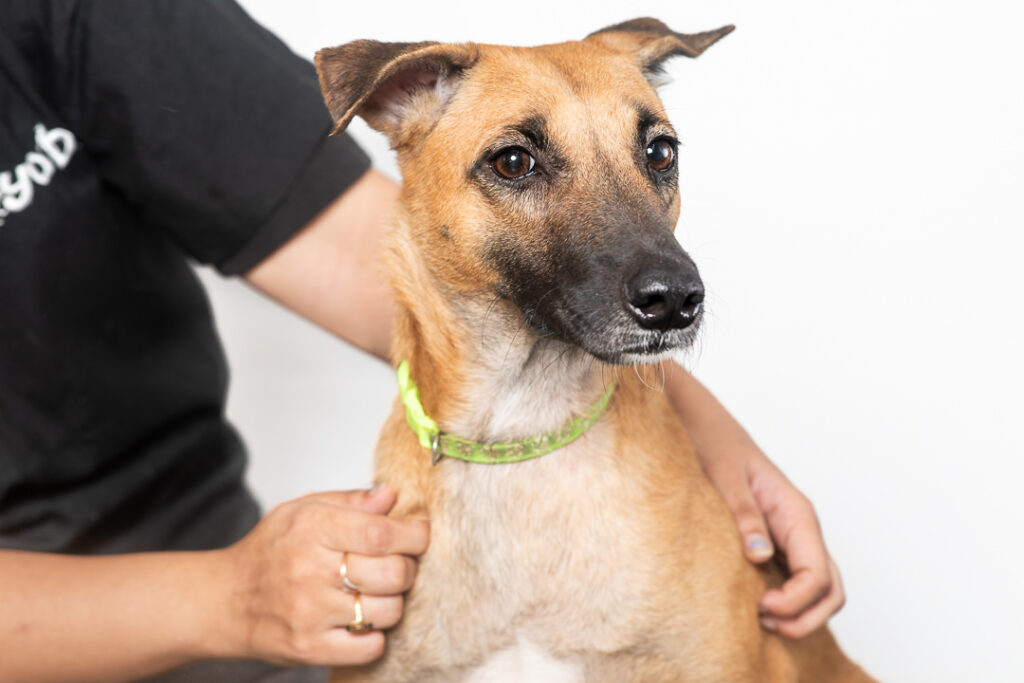
Helping a street dog is one of the kindest things we can do.
Whether it’s offering food, giving water on a hot day, or reporting an injured animal, every small act of compassion makes a difference.
At the same time, it’s important to remember that street dogs live in a challenging environment.
Many have experienced hunger, accidents, or mistreatment, so they may be cautious around unfamiliar people. Knowing how to approach them safely helps protect both you and the animal.
Here are a few simple things to keep in mind.
Approach dogs calmly and let them come to you
If you want to interact with a street dog, take it slow. Avoid rushing toward the animal or making sudden movements that might frighten it.
Stand at a slight angle instead of directly in front of the dog, speak softly, and let it decide whether it wants to come closer. If the dog seems nervous, backs away, or tucks its tail, respect its space and avoid forcing contact.
Giving the dog time to feel comfortable is often the safest and kindest approach.
Never try to handle a seriously injured dog alone
An injured dog may react differently than a healthy one.
Even the friendliest dog can bite when it is frightened or in severe pain. If you find a dog that has been hit by a vehicle or has visible injuries, avoid trying to lift or move it without proper equipment.
Instead, keep a safe distance, prevent unnecessary disturbance if possible, and contact an animal rescue team that has the experience and equipment to provide safe medical assistance.
Check if the dog has already been sterilized
Before reporting a street dog for sterilization, take a quick look at its ears from a safe distance.
Many sterilized community dogs have a small V-shaped notch or clipped ear, which is a standard identification mark used after Animal Birth Control (ABC) surgery. This tells rescue teams and local volunteers that the dog has already been sterilized and vaccinated.
If you notice this mark, there’s usually no need to report the dog for another sterilization procedure. Instead, you can simply help by providing food, clean drinking water, or reporting the animal only if it appears injured or unwell.
By following these simple precautions, you can make a positive difference while keeping both yourself and the dogs safe.
Every responsible action, no matter how small, contributes to a healthier and more compassionate community for everyone.
Dog Welfare India: Protecting and caring for community dogs in Palghar
Real change takes teamwork.
You can be the difference between a life of suffering and a life of care.
Whether you want to volunteer for Dog Welfare India by feeding animals, or you wish to donate for street dogs living in Palghar to fund life-saving surgeries, every single bit counts.
As a dedicated NGO in Palghar, we are working hard to build a safe ecosystem by rescuing dogs in Palghar and relying on people just like you.
For more information related to our rescue programs, donation options, and volunteer drives, you can contact Dog Welfare India. Our team is always available to welcome you and help you with any doubts and queries.
FAQs about street dogs in Palghar and how you can help
Why are there so many street dogs in Palghar?
The population of street dogs in Palghar continues to grow because of uncontrolled breeding, rapid urban development, and limited sterilization efforts. Easy access to food waste and a lack of consistent animal welfare programmes also contribute to the increasing number of community dogs across the district.
What are the biggest challenges faced by street dogs in Palghar?
The biggest challenges faced by street dogs in Palghar include hunger, road accidents, infectious diseases like rabies and parvovirus, limited veterinary care, and a lack of safe shelter. Addressing these issues requires a combination of rescue, sterilization, vaccination, and active community participation.
How can I help street dogs in Palghar?
You can help street dogs in Palghar by providing clean drinking water, feeding them responsibly, reporting injured animals to a rescue team, supporting sterilization and vaccination programmes, volunteering your time, or donating to trusted animal welfare organisations working in the region.
Why is dog welfare in Palghar important for everyone?
Good dog welfare in Palghar benefits both animals and people. Healthy, vaccinated, and sterilized dogs are less likely to spread diseases, reproduce uncontrollably, or come into conflict with residents. Responsible welfare programmes help create safer, cleaner, and more compassionate neighbourhoods.
What should I do if I find an injured street dog?
If you find an injured animal, avoid handling it unless absolutely necessary. Instead, contact a local dog rescue in Palghar or an injured dog rescue Palghar team that has the training and equipment to safely transport the dog and provide immediate medical treatment.
Why do many community dogs in Palghar have a clipped ear?
Many community dogs in Palghar have a small V-shaped notch on one ear to indicate they have already been sterilized and vaccinated under the Animal Birth Control (ABC) programme. This helps rescue teams identify treated dogs and prevents unnecessary recapture for surgery.
How does street dog care in Palghar reduce rabies?
Effective street dog care Palghar programmes include mass vaccination, sterilization, timely medical treatment, and regular monitoring of community dogs. Together, these efforts reduce the spread of rabies, improve animal health, and make local communities safer for residents and their pets.
Which dog welfare organization in Palghar can I contact for help?
If you need assistance with rescue dogs in Palghar, emergency treatment, or sterilization programmes, you can contact Dog Welfare India Palghar. As a dedicated dog welfare organization in Palghar, it works to rescue, treat, rehabilitate, and protect community dogs through long-term welfare initiatives.
How can I volunteer for dog welfare in Palghar?
If you’d like to volunteer for dog welfare Palghar, you can support rescue operations, community feeding programmes, awareness campaigns, transportation, fundraising, or adoption initiatives. Even a few hours of volunteering can make a meaningful difference in improving the lives of street dogs.
How can I donate for street dogs in Palghar?
Choosing to donate for street dogs in Palghar helps fund rescue operations, emergency medical treatment, sterilization, vaccinations, food, and rehabilitation. Supporting organisations like Dog Welfare India Palghar enables them to provide long-term care and improve the welfare of community dogs across the district.
