


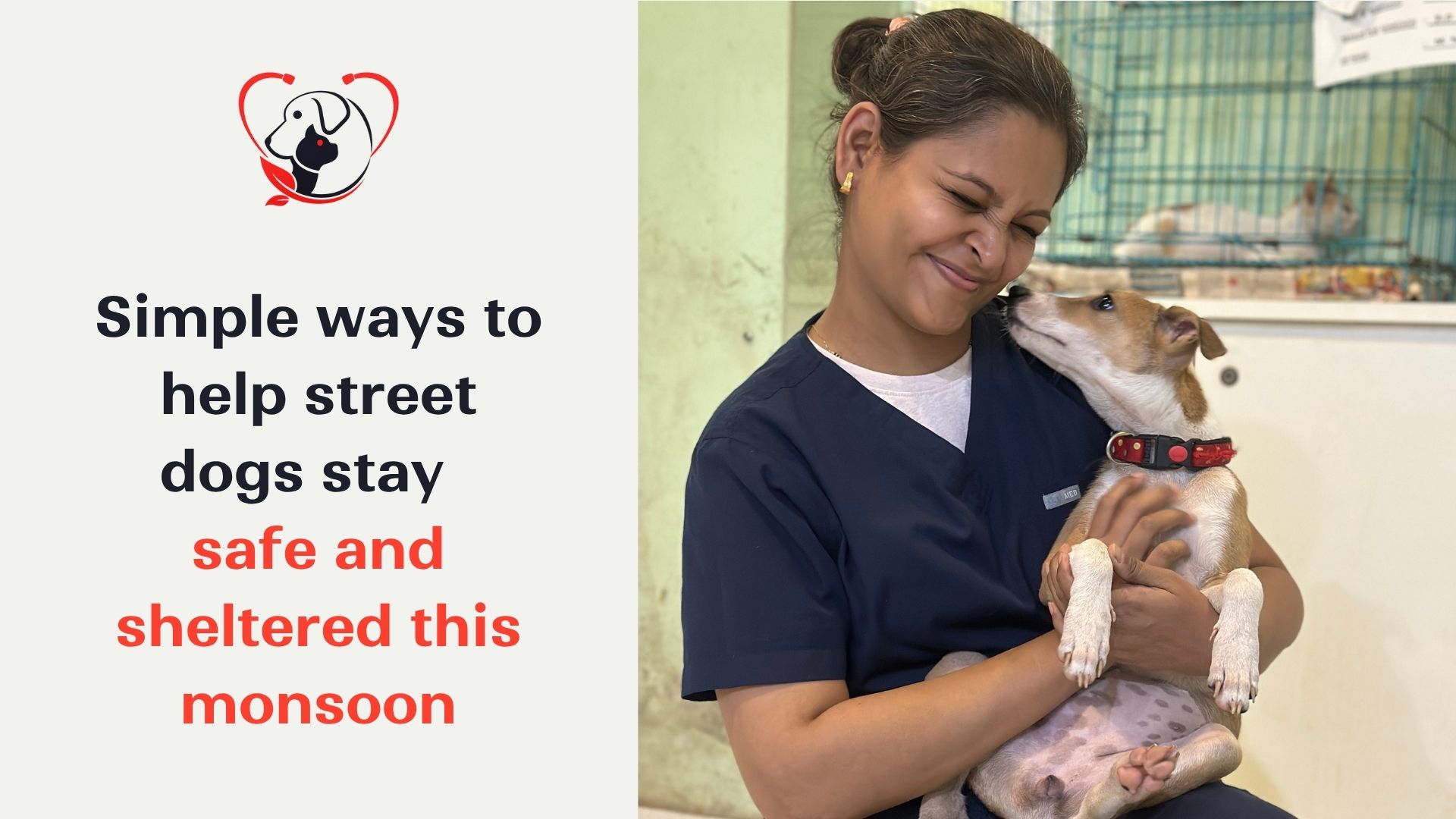
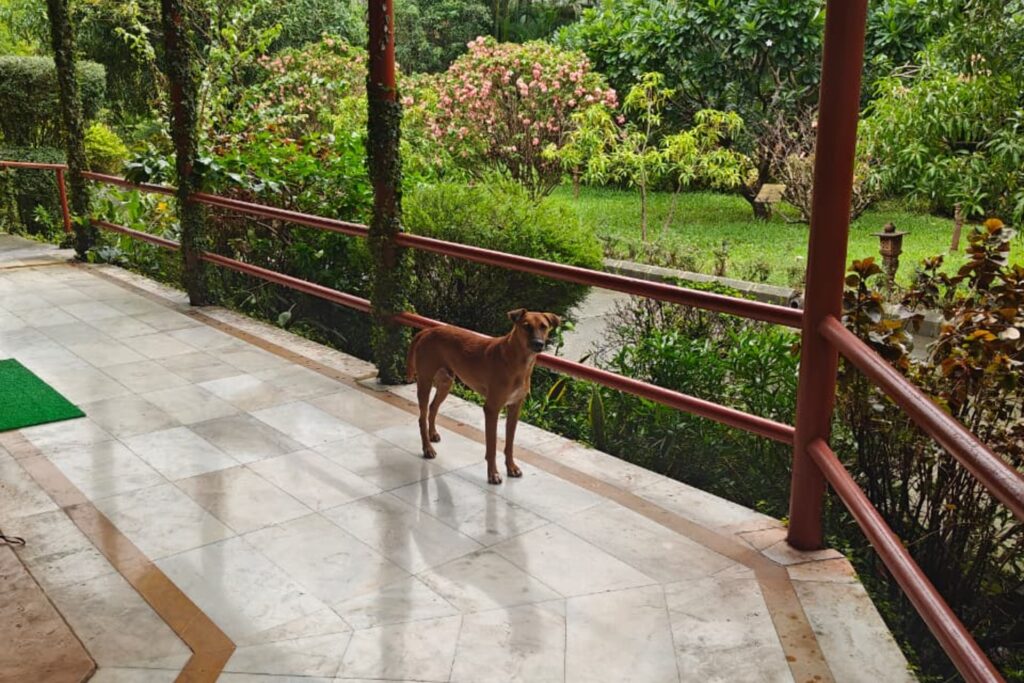
You know that dog. The one napping outside your building gate every afternoon, or waiting near the tea stall on your way to work, whether that’s a lane in Palghar or a street in any other town, the story is the same. You’ve probably walked past it a hundred times without a second thought.
Now think back to the last time it poured for three days straight. Did you wonder where that dog went? Most of us don’t. We’re too busy dodging puddles ourselves, dashing from the auto to our doorstep, umbrella turned inside out. It’s an easy thing to overlook.
But that dog didn’t have a doorstep to dash to. While you were drying off with a towel, it was curled up under a parked car, or pressed against a shuttered shop, soaked to the bone with nowhere better to go.
Here’s a question worth sitting with: if that dog outside your gate fell sick this monsoon, would anyone even notice in time?
For thousands of community dogs, that’s the reality every single monsoon: no roof, no towel, no one checking in. The good news? It doesn’t take much to change that. A little awareness, a few small habits, and people like you paying just a bit more attention.
Dog Welfare India, an animal welfare NGO based in Palghar, sees this play out every single year. Dogs with skin infections that could’ve been caught early. Puppies shivering under parked cars. Animals just looking for one dry patch of ground.
This blog breaks it all down into three simple things you can actually do something about: health, shelter, and safety.
Why street dogs in rainy season struggle the most
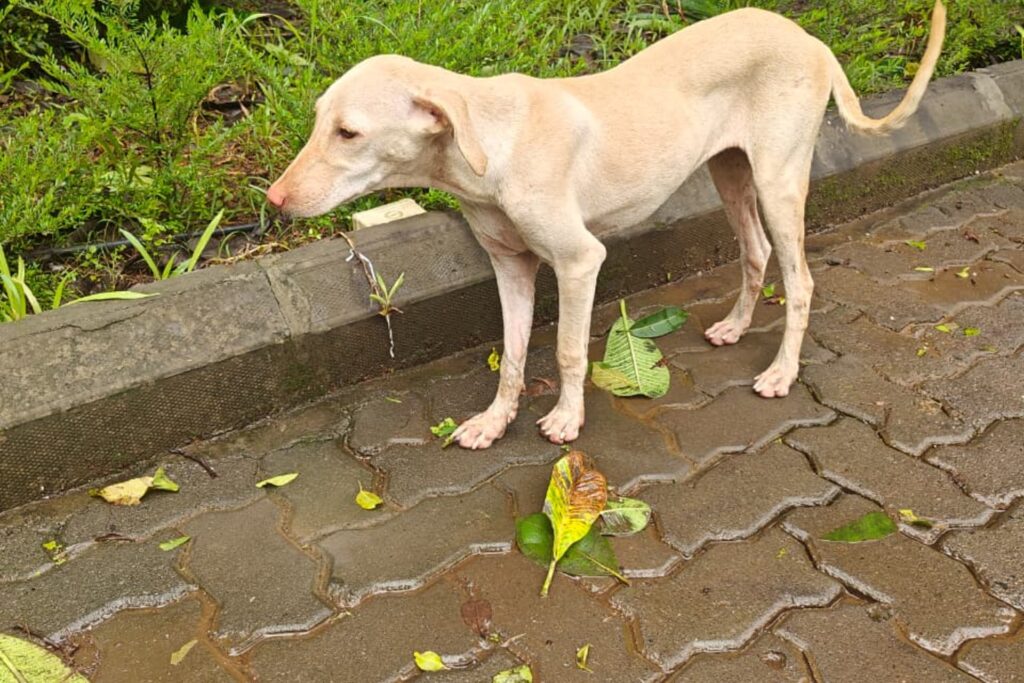
Think about it: when it rains, you go indoors. Street dogs can’t.
They depend entirely on whatever shelter, food, and care the people around them are willing to offer. And the monsoon throws a lot at them all at once.
Standing water breeds bacteria and parasites fast. Constant dampness wears down a dog’s natural defences against infection.
Whatever shelter a dog had built for itself, a dry corner, a quiet ledge, often floods or washes away. Fewer people are out and about, which means less food, less attention, fewer eyes watching out for them.
Wet, slippery roads also mean a higher risk of accidents. None of this is unsolvable, though; it just takes a bit of consistent effort from the community around them. That’s exactly the kind of long-term, structured approach Dog Welfare India works toward in and around Palghar all year round, not just when there’s an emergency.
Monsoon diseases in dogs: health risks to watch for
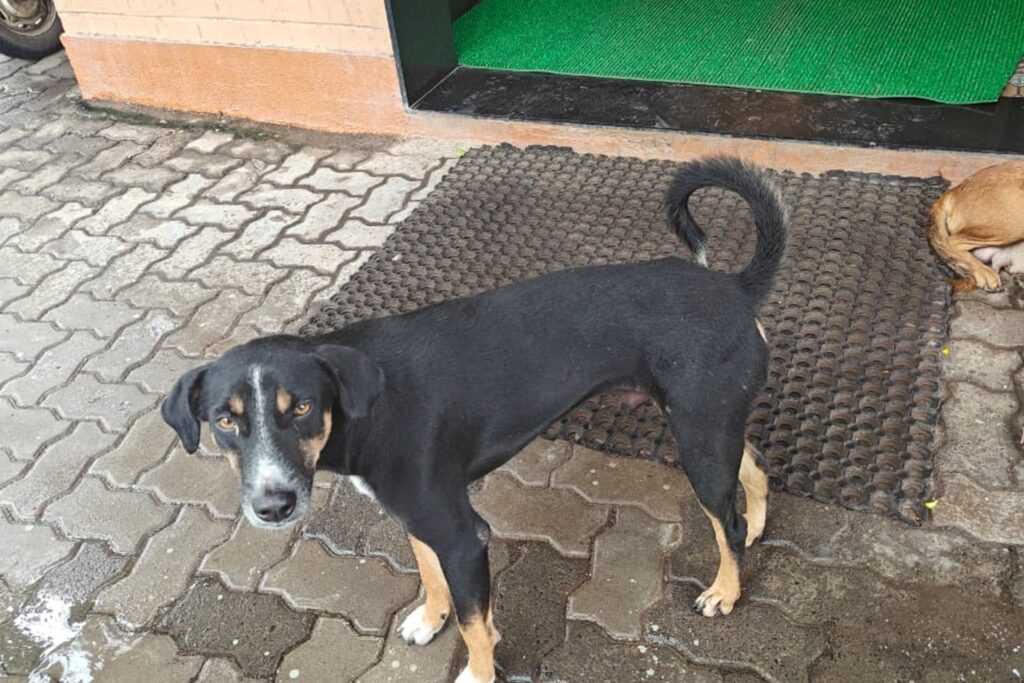
Here’s the tricky part about monsoon health issues. They’re often invisible until they’re serious. Have you ever noticed a street dog scratching non-stop and assumed it was just an itch? A dog can look completely fine one week and be fighting a bad infection the next.
Common monsoon diseases in dogs
Humid, damp conditions are basically a welcome mat for bacteria, fungi, and parasites. A few of the biggest culprits:
- Leptospirosis: A bacterial infection spread through contaminated water and mud, and one that can affect humans too
- Ticks and fleas: These parasites love humidity, and they don’t stop at just being annoying
- Stomach infections: Usually from dogs drinking out of dirty puddles
- Ear infections: Trapped moisture turns a dog’s ear into the perfect breeding ground for bacteria
Regular deworming and vaccination prevent a lot of this before it even starts. It’s a big reason why sterilisation and vaccination drives matter so much for community dogs over the long run. This is the same ABC (Animal Birth Control) approach Dog Welfare India runs across Palghar each season. It’s part of how the organisation tackles the wider challenges faced by street dogs.
Dog skin infection during monsoon: what to watch for
Unlike a lot of monsoon health risks, this one you don’t need a vet to spot. You can see it happening. A dog scratching at the same patch for days, or a bald spot that wasn’t there last week, is usually the first sign.
Left alone, that turns into ringworm or a bacterial “hot spot” fast. A street dog has no towel, no dry bed to retreat to, so what starts as mild irritation can become an open sore within days.
Dog care tips during monsoon: what to do if a street dog needs help
Spotting a risk is only half the job. The real difference between a dog that recovers and one that doesn’t often comes down to what a bystander does in the next ten minutes. Here’s how to tell when a dog actually needs help, and exactly what to do once you’ve decided to step in.
Signs a street dog needs help
Not every dog you spot in the rain is in distress, but a few signs are worth stopping for:
- Visible wounds, bald patches, or red, inflamed skin
- Constant scratching or biting at one spot
- Lethargy, shivering, or not wanting to move
- Vomiting, diarrhoea, or skipping food
- Looking disoriented, or limping
If you notice even one or two of these, that’s your cue to move to first-aid, not to wait and see.
First-aid steps you can take for street dogs
Found a dog that needs help? Here’s what to do before professional support arrives.
- Assess from a distance first: Watch the dog’s body language before moving closer. If it shows signs of extreme fear or aggression, stay back to avoid bites and call professional rescue immediately.
- Move a calm dog to safety: If the animal isn’t distressed, gently guide or transport them to a dry, sheltered spot away from traffic.
- Don’t self-treat wounds: Avoid applying any home remedies to open wounds. These usually do more harm than good. Leave medical treatment to trained handlers.
- Call for help right away: Contact a local rescue or vet as soon as the dog is safe. If you’re anywhere in or around Palghar, you can reach out to Dog Welfare India directly for rescue and help. Their team can safely intervene and handle medical emergencies on the ground.
Dog shelter during monsoon: solutions for street dogs
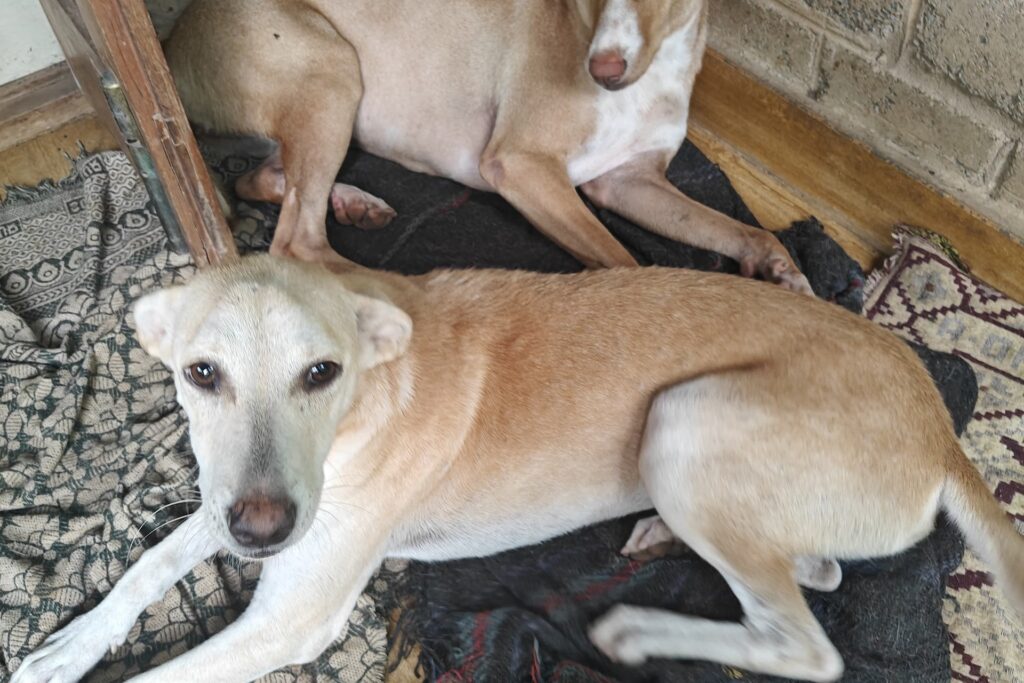
If there’s one thing that decides whether a dog sails through the monsoon or gets sick, it’s shelter. Ever noticed the same street dog sleeping in the same spot every day, rain or shine? That “spot” is often all it has, and the monsoon can wash it away overnight, leaving even a healthy dog with nowhere dry to rest.
Stray dogs rain shelter: why it matters more this season
A dog’s usual spot, under a tree, in a quiet lot, beside a shuttered shop, can disappear underwater in one heavy downpour. Puppies have it worse. They can’t regulate body temperature the way adult dogs can, so staying wet and cold for too long puts them at real risk of hypothermia.
Simple DIY stray dogs rain shelter ideas
Think you need a budget or special skills to help? You really don’t. A few low-cost ideas that actually work:
- Elevated crates: keeping a dog off wet ground solves half the problem instantly.
- Waterproof tarps: rigged up over an existing resting spot to block the rain.
- Old drums or barrels: turned on their side with dry bedding inside, these make surprisingly good little shelters.
- Blankets or jute sacks: placed somewhere covered, swapped out once they get damp.
None of this needs to be permanent. It just needs to be dry and out of the wind.
How communities and RWAs can help
One person doing this helps. A whole community doing it together changes everything.
Residents’ associations and local groups can set up one or two shelter-and-feeding points nearby. Rotating who keeps it stocked and dry makes it sustainable rather than a one-time effort.
Reporting a sick or injured dog early, instead of waiting and hoping it gets better, makes a huge difference too. And backing sterilisation drives means fewer dogs are exposed to this cycle year after year.
Dog Welfare India’s shelter and rescue work
Dog Welfare India doesn’t just do one-off rescues. Through structured identification, vaccination, and sterilisation programs across the Palghar region, the organisation is working toward a system where fewer dogs are left without care in the first place.
Businesses and institutions that want to be part of that can do so through Dog Welfare India’s CSR and partnerships and can participate in funding an ambulance, sponsoring medical care, or supporting shelter infrastructure.
Safety tips to keep dogs safe in the rain
Health and shelter cover a lot, but the rain itself creates hazards too, the kind that turn into emergencies in seconds. A single downpour can wash out visibility, flood a low-lying corner, or panic a dog that’s normally calm. A little caution in the moment goes a long way.
Road and traffic safety in heavy rain
Dogs often duck under parked cars to escape the downpour, which makes them harder to spot and easier to hurt by accident.
If you’re driving in heavy rain, slow down near spots where community dogs usually gather. And always check under a parked vehicle before starting it. That’s exactly where dogs go to stay dry, and it’s an easy thing to miss.
Flooding and waterlogging dangers
Low-lying areas and open drains turn into real drowning risks during the monsoon, especially for puppies who can’t fight a current. If you spot a dog stuck in a flooded area, don’t attempt a solo rescue when the water’s deep or moving fast. Call local authorities or a rescue group instead.
How to safely approach a distressed street dog
A scared or injured dog won’t behave as your pet would at home, so caution matters more than good intentions. Keep your distance, avoid direct eye contact, and never corner the dog. Always leave it a clear way out.
If the dog seems calm enough to approach, that’s different from an emergency situation, so don’t try to pick it up or handle it yourself. Just keep bystanders and traffic clear, and let trained rescue support take it from there.
How you can help street dogs in the rainy season this year
So where do you actually start?
Every monsoon is tough on community dogs, but small, consistent actions from people like you genuinely change outcomes. Here’s where to begin.
- Volunteer: Join in on feeding runs, shelter building, or awareness drives in your area, or with the on-ground team in Palghar.
- Donate: Support medical care, sterilisation, or emergency rescue efforts.
- Report a dog in distress: Get in touch with the team; even if you’re outside Palghar, they can often point you to someone nearby who can help.
- Partner as a business or institution: Explore long-term impact through CSR and partnership programs.
Compassion during the monsoon doesn’t need grand gestures. A dry shelter, a bowl of food, and one phone call to the right people at Dog Welfare India can be the difference between a dog making it through the season or not.
Start your monsoon care for dogs with Dog Welfare India

Monsoon is brutal for street dogs. Health risks climb, shelter disappears, and everyday safety gets harder to guarantee.
Most of that suffering is preventable once people know what to watch for and step in early. It doesn’t take grand gestures, just people willing to notice and act.
At Dog Welfare India, we work with community dogs across Palghar district, building long-term systems of rescue, shelter, and care that hold up well past one rainy season. If you’re ready to help a dog make it through this monsoon, reach out to our team. Every dry shelter, every meal, and every phone call add up to a season a street dog survives.
FAQs on monsoon care for street dogs
What are the most common monsoon diseases in dogs?
Leptospirosis tops the list. Beyond that, vets see a spike in tick and flea infestations, stomach infections from contaminated water, ear infections caused by trapped moisture, and fungal skin infections. Humid, wet conditions make it easy for all of these to take hold quickly this time of year.
How can I tell if a street dog has a skin infection?
Watch for hair loss, red or inflamed patches, constant scratching, or sores with an unusual smell. Skin infections spread fast in humid weather, especially if a dog is already weak or malnourished. Catching it early and getting help makes a real difference in recovery.
What’s the easiest way to build shelter for street dogs during the monsoon?
Nothing fancy is required. An elevated crate, a waterproof tarp, or even a repurposed barrel lined with dry bedding works fine. The real goal is keeping dogs off wet ground and away from direct rain, since that alone prevents a lot of monsoon-related illness.
Is it safe to feed street dogs during heavy rain?
Yes, just avoid placing food directly on wet ground. A covered spot works best. Try to also leave out clean drinking water, since dogs often end up drinking from contaminated puddles otherwise, which raises their risk of stomach infections during the monsoon.
What should I do if I find an injured or sick street dog during the monsoon?
Keep your distance if the dog seems distressed or scared. If it’s safe to do so, help it move somewhere dry, then contact a local rescue organisation right away. Avoid handling the dog directly unless it’s truly unavoidable.
How does sterilisation help with monsoon-related street dog welfare?
Sterilisation means fewer puppies are born into unsheltered, high-risk conditions each year. Fewer dogs facing monsoon-related exposure translates directly into fewer preventable deaths and illnesses over time. It’s one of the most effective long-term interventions for street dog welfare during this season.
Can street dogs get pneumonia during the monsoon?
They can, particularly puppies and older dogs, be left in wet conditions for too long. Watch for laboured breathing, persistent coughing, or unusual lethargy. These are warning signs that shouldn’t be ignored, and a vet should see the dog as soon as possible.
Do dogs need any extra vaccinations before the monsoon hits?
The leptospirosis vaccine is the one worth prioritising, since it directly targets a monsoon-specific risk. If you’re caring for a street dog long-term, it’s worth speaking with a local vet about setting up a basic seasonal vaccination schedule.
Should street dogs get more food during the monsoon?
Not necessarily more, but consistency becomes more important. Food sources street dogs normally rely on, like garbage or shop leftovers, often disappear during heavy rain. A regular feeder stepping in during this season matters more than people usually realise.
How can I help street dogs during the monsoon if I can’t adopt one?
Feeding, setting up a quick shelter, or reporting sick and injured dogs to a local rescue organisation all genuinely help. You don’t need to do everything. Even a small, consistent effort from one person adds up more than most people expect.
