


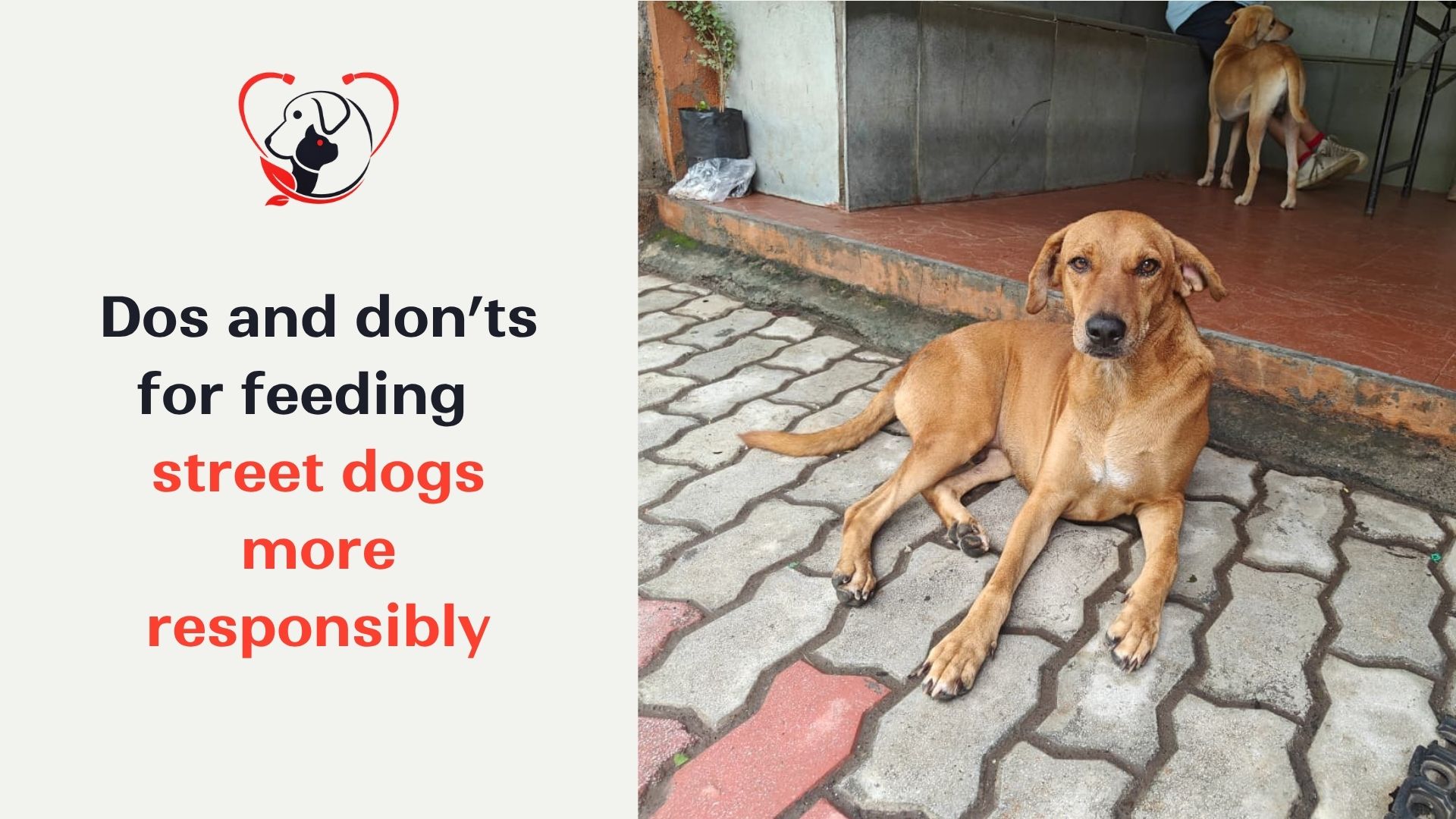
How often do you come across a community dog waiting outside a shop, resting by the roadside, or following people around in the hope of finding something to eat?
For many of us, it is a familiar sight. And when a dog looks up at you with those expectant eyes, offering a little food can feel like the easiest way to help. But responsible feeding requires a little more thought than simply sharing whatever food is available.
The food you offer, the place you choose, the timing, and even how you behave while they eat can all make a difference. What seems like a small act can sometimes create health or safety concerns when it is not done thoughtfully, whether you are providing daily care on the streets or preparing to adopt a dog in Palghar. Responsible feeding is about making sure your kindness genuinely helps.
Here are the simple dos and don’ts to keep in mind when feeding community dogs, whether you do it every day or simply stop to help a hungry dog in your neighbourhood.
Why does feeding street dogs responsibly matter?

A street dog may have several people looking out for it. One person leaves food near the gate, another keeps water outside a shop, and someone else feeds it on their evening walk.
Over time, these small gestures can become part of the dog’s routine. But when several people feed in different places, or food is left wherever it is convenient, things can quickly become messy.
Dogs may gather around busy areas, food may be left behind, and mealtimes can become uncomfortable for both the animals and the people around them.
This is where a little coordination can make a big difference. Feeding in a suitable spot, offering enough food without overfeeding, keeping fresh water available, and cleaning up afterwards can make the routine easier for everyone. It also gives community dogs a more predictable and comfortable feeding experience.
There is also a legal side to this that is worth knowing, especially if you have ever faced questions or objections about feeding street dogs. In a landmark 2021 ruling reported by Bar and Bench, the Delhi High Court recognised the right of community dogs to food and citizens’ right to feed them, while also emphasizing the need to ensure that feeding does not cause harm, nuisance, or inconvenience to others.
Responsible feeding is not about making the act of kindness complicated. It is about a few thoughtful choices that help the food reach the dogs in a way that works well for them and the community they live in.
These small details may seem insignificant, but together they can make feeding more comfortable for the dogs, helping ease the everyday challenges faced by street dogs and make it easier for the people who share the space.
The dos of feeding street dogs
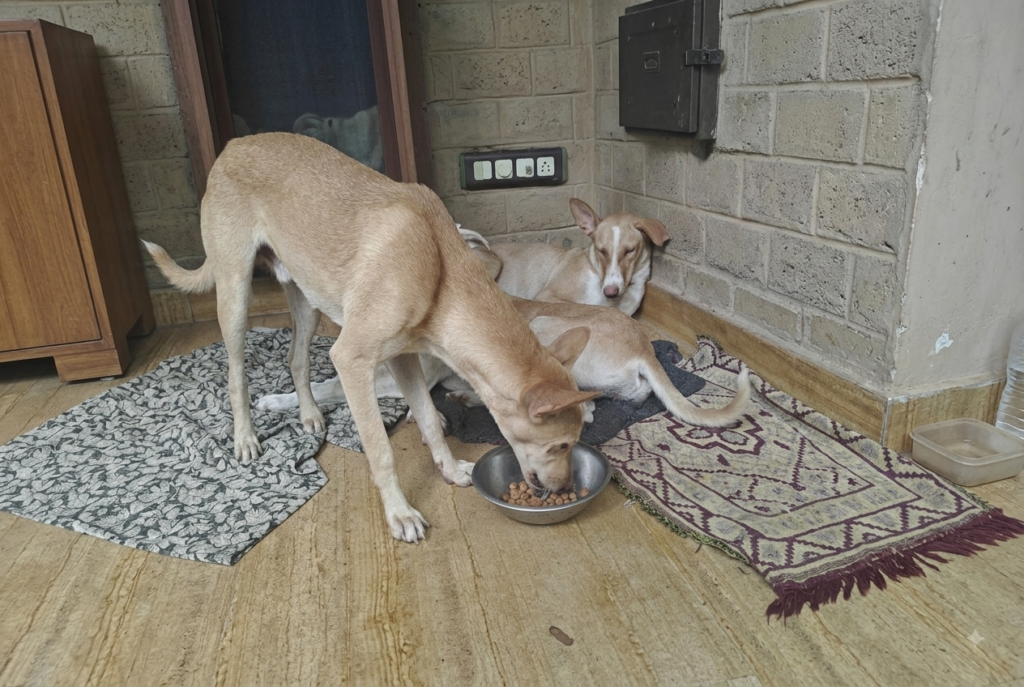
Feeding street dogs does not have to be complicated. A few simple habits can make their mealtimes healthier, calmer, and easier to manage.
Whether you feed the same dog every day or occasionally offer food to a dog you meet in your neighbourhood, small choices such as what you serve, where you feed, and how you approach them can make a meaningful difference.
Here are some simple practices to keep in mind when feeding stray dogs.
Feed nutritious, dog-safe food
Not everything that is safe for us is safe for dogs. When sharing a meal with a community dog, keep their needs in mind and choose fresh, simple food that is easy for them to digest.
Plain cooked rice, boiled eggs, unseasoned meat, or good-quality dog food are better choices than spicy, oily, or heavily seasoned leftovers.
A wholesome meal may seem like a small gesture, but choosing the right food can go a long way in supporting a community dog’s health.
Provide fresh drinking water
A good meal is only part of caring for a community dog; fresh water is just as important.
Place a clean bowl of drinking water in a shaded, accessible spot where dogs can drink without being disturbed. Change the water regularly and rinse the bowl to keep it clean.
This is especially helpful during warmer months, when dogs can become dehydrated more easily.
Choose a safe feeding spot
Where you feed a community dog matters just as much as what you feed them. Choose a quiet spot away from busy roads, building entrances, or places where people regularly walk through.
A suitable feeding area gives dogs enough space to eat peacefully and reduces the chances of them being startled or getting too close to traffic.
It also helps keep feeding from becoming a disturbance for others in the neighbourhood.
Keep the feeding area clean and give dogs space
Once the dogs have finished eating, take a moment to clean the area and remove any leftover food or disposable packaging.
Keeping the spot tidy makes it more pleasant for everyone and helps prevent unwanted pests. At the same time, give dogs enough space while they eat.
The don’ts of feeding street dogs
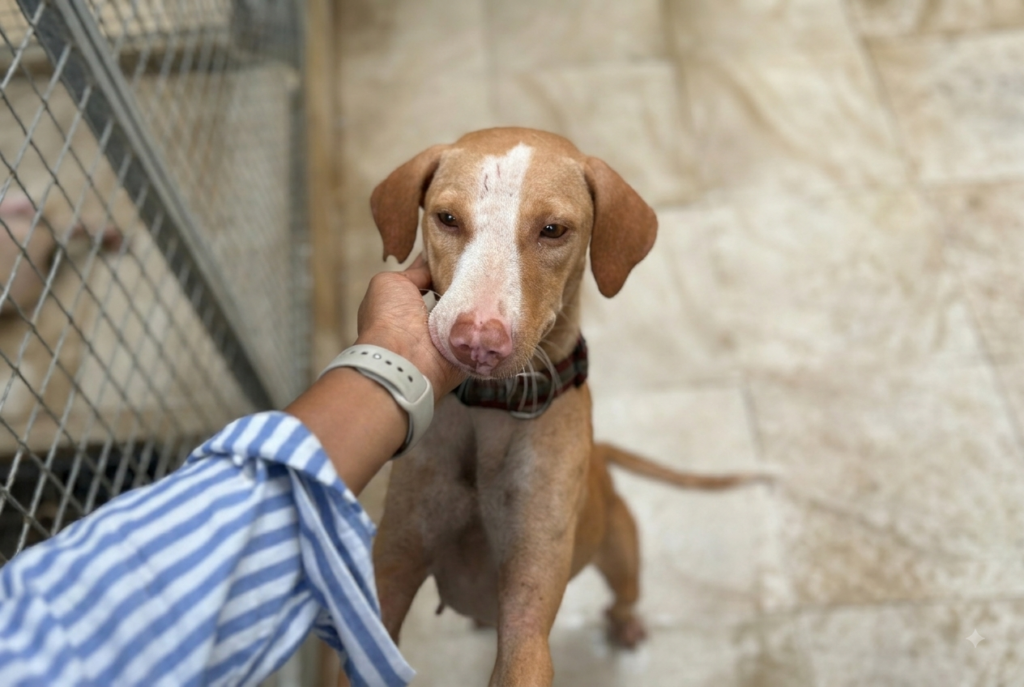
Feeding street dogs is a simple act, but a few things are best avoided to keep their meals safe and comfortable. Whether you feed them regularly or only now and then, being mindful of the food you offer, the place you choose, and how you interact with them can prevent unnecessary problems.
These small precautions can help protect their health, keep the feeding area clean, and make the experience easier for everyone in the neighbourhood.
Here are a few things to avoid when feeding street dogs.
Don’t feed spicy, salty, or processed food
That leftover curry or a few salty snacks may seem like an easy option, but they are not ideal for stray dogs.
Spicy, oily, salty, and heavily processed foods can upset their stomach and may affect their health when given regularly.
Stick to simple, unseasoned food that is safe for dogs, and avoid anything containing ingredients that can be harmful to them.
Don’t overfeed
Seeing a hungry dog can make you want to give them as much food as possible, but more is not always better.
Large portions can lead to overeating and digestive discomfort, especially when a dog is not used to getting regular meals.
Offer a sensible portion based on the dog’s size and needs, and avoid leaving large amounts of food behind.
Don’t disturb or force interaction with dogs while they eat
Mealtimes can make even a friendly community dog feel protective of its food. Give dogs enough space to eat peacefully, especially if you do not know them well.
Avoid touching, petting, or trying to move a dog while it is eating, and never force interaction.
Allowing them to finish their meal without interruption helps keep the experience calm and comfortable.
How can you take care of stray dogs responsibly?
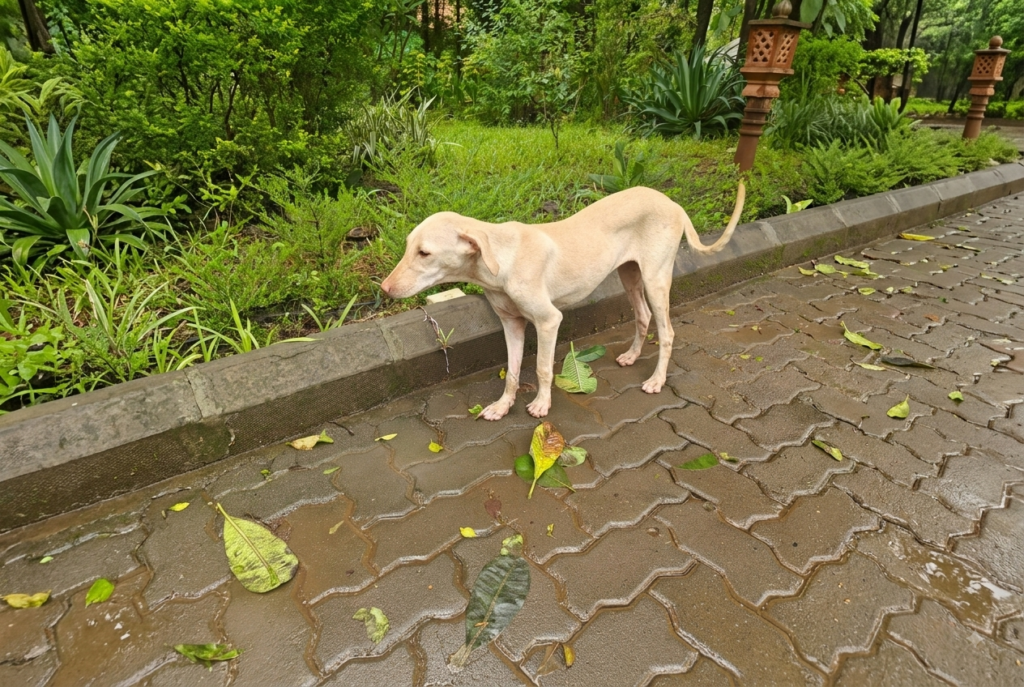
Feeding a community dog regularly also gives you the chance to notice changes in its health and behaviour. When you see the same dog at mealtimes, you may be the first to notice that it is suddenly limping, eating less than usual, has a visible wound, or simply seems different.
Paying attention to these small changes can help you understand when a dog may need more than its usual meal and water.
Look out for signs of illness or injury
While feeding, keep an eye out for visible wounds, difficulty walking, extreme weakness, unusual behaviour, or a sudden change in appetite. If something seems concerning, consider seeking veterinary help rather than relying on food alone.
Support vaccination and sterilisation
Regular feeding can be one way of building a connection with community dogs, but their well-being also depends on preventive care. Supporting vaccination and sterilisation programmes can help protect dogs from preventable diseases and contribute to healthier community dog populations.
Give extra care to puppies and older dogs
You may come across puppies or older dogs while feeding your regular community dogs. Puppies may need more frequent nourishment and attention, while older dogs may have difficulty eating or moving. Adjusting how you feed and seeking additional support when needed can make a difference.
Get professional help when needed
If a dog is seriously injured, unwell, or appears to be in distress, a meal may not be enough. A veterinarian or a reliable animal welfare organisation can provide the medical attention or support the dog needs.
Looking after street dogs does not mean you have to take on everything yourself. Sometimes, it starts with a proper meal and fresh water; sometimes, it means noticing that something is wrong while you are feeding them and helping connect the dog with the right care.
When feeding is combined with this kind of attention, a simple daily act can become a more meaningful way of supporting the health and wellbeing of community dogs.
Give street dogs the care they deserve with Dog Welfare India
Caring for stray dogs often begins with something as simple as putting down a bowl of food, but that small gesture can become a meaningful part of their everyday well-being.
When food is nutritious, water is clean, and feeding is done in a safe and considerate way, it can help street dogs stay healthier while making it easier for people and animals to share the same neighbourhood.
But caring for them does not always end with feeding. Sometimes, it means noticing when a dog is injured, helping a puppy that needs extra attention, or making sure a familiar dog gets the veterinary care it needs. Every situation may call for something different, but even small acts of care can have a lasting impact.
At DOWI, we believe that every community dog deserves care, compassion, and a safe environment. In association with YODA, we are working towards making this care more accessible and meaningful through efforts that support the health and welfare of community animals.
Together, this partnership reflects a shared commitment to creating safer, healthier communities where animals are treated with the care and dignity they deserve.
Whether you regularly feed dogs in your neighbourhood or simply want to be better prepared when one needs help, your actions can make a difference.
Want to do more for stray dogs? Contact DOWI today to support the health, welfare, and well-being, and help create a safer and more compassionate community for every dog.
Frequently asked questions about feeding community dogs
Is it safe to feed stray dogs?
Yes, feeding stray dogs can be safe when it is done thoughtfully. Choose food that is suitable for dogs, provide fresh drinking water, and feed them in a quiet place away from traffic and crowded areas. Giving dogs enough space while they eat also helps keep mealtimes calm and comfortable.
What is the best food to give to stray dogs?
The best food is fresh, nutritious, and easy for dogs to digest. Good-quality dog food is a convenient option, while plain cooked rice, boiled eggs, or unseasoned meat can also be suitable. Avoid spicy, oily, salty, heavily processed, or highly seasoned foods, as these may upset a dog’s stomach or affect its health.
Can I feed rice to stray dogs?
Yes, plain cooked rice can be given to stray dogs as part of a balanced meal. It is best served without spices, salt, oil, or sauces. Rice alone should not make up the entire diet, as dogs also need other nutrients. Combining it with a suitable protein can make the meal more nutritious.
Can I feed bread to stray dogs?
A small amount of plain bread is generally not harmful to most dogs, but it should not become a regular or main part of their diet. Bread provides limited nutritional value compared with balanced dog food or suitable whole foods. Avoid bread containing ingredients such as raisins, chocolate, garlic, onions, or xylitol.
How often should I feed community dogs?
There is no single feeding schedule that works for every community dog. If you regularly feed the same dogs, maintaining a consistent routine can help them know when and where food is available. The amount and frequency should also depend on the dog’s size, age, health, and access to other food sources.
Where is the best place to feed stray dogs?
Choose a quiet, safe location away from busy roads, building entrances, narrow walkways, and areas with heavy pedestrian or vehicle movement. The spot should give dogs enough space to eat without being disturbed. It should also be somewhere that can be kept clean after feeding and does not inconvenience people using the surrounding area.
Should I give water to stray dogs along with food?
Yes, fresh drinking water is an important part of caring for stray dogs. Place a clean bowl in an accessible and preferably shaded location, particularly during hot weather. Change the water regularly and rinse the bowl to keep it hygienic. A reliable source of clean water can be especially valuable for dogs outdoors.
What should I do if a community dog is sick or injured?
If a community dog has a visible injury, difficulty walking, extreme weakness, unusual behaviour, or other concerning symptoms, it may need veterinary attention rather than food alone. Avoid handling an injured or frightened dog unnecessarily. Contact a veterinarian or a trusted animal welfare organisation that can assess the situation and provide appropriate help.
Is it okay to touch or pet a community dog while it is eating?
It is better to give a community dog some space while it is eating, especially if you do not know the dog well. Even friendly dogs can become protective around food. Allow them to finish their meal without touching, moving, or crowding them. This creates a calmer experience and reduces the chance of unwanted reactions.
How can I help stray dogs beyond feeding them?
Feeding is only one way to support stray dogs. You can also help by ensuring access to clean water, supporting vaccination and sterilisation efforts, assisting injured or sick dogs in getting veterinary care, and encouraging responsible treatment of animals in your neighbourhood. Connecting with organisations such as DOWI and YODA can also help you contribute to wider animal welfare efforts.
